
.png)
In Jainism, Paryushan and Das Lakshana Mahaparva are among the most sacred periods of spiritual reflection, self-discipline, repentance, and inner purification. Though observed according to distinct traditions, both lead towards the same profound purpose: to turn inward, overcome the passions that obscure the soul, and awaken its inherent purity, wisdom, and spiritual freedom. In 2026, the Shvetambara tradition will observe Paryushan from September 8 to September 15, with Samvatsari on September 15. The Digambara tradition will observe Das Lakshana Mahaparva from September 16 to September 25. In the Shvetambara tradition, Paryushan is generally observed for eight days. It is a sacred period devoted to scriptural study, meditation, self-examination, austerity, repentance, and forgiveness. Its culmination, Samvatsari, carries a profound message of acknowledging one’s shortcomings, sincerely seeking forgiveness, and extending heartfelt forgiveness to every living being. In the Digambara tradition, Das Lakshana Mahaparva is observed for ten days, with each day devoted to one of the ten supreme virtues: forgiveness, humility, straightforwardness, purity, truthfulness, self-restraint, austerity, renunciation, non-possession, and celibacy. These virtues inspire a person to rise above anger through forgiveness, pride through humility, deceit through sincerity, greed through purity, and attachment through renunciation. Jain philosophy regards time as beginningless and endless. In the traditional Digambara understanding of the cosmic cycle, the ascending and descending cycles of time unfold perpetually. Bhadrapada Shukla Panchami is traditionally associated with the commencement of Das Lakshana Mahaparva and therefore holds special significance within the Digambara tradition. The true purpose of these sacred observances is not merely fasting, rituals, or religious formalities. Their essence lies in transforming the quality of our thoughts, intentions, and conduct. Paryushan teaches us to recognize our shortcomings, sincerely seek forgiveness, and forgive others with an open heart. Das Lakshana inspires us to awaken and cultivate the highest virtues within the soul. Together, they remind us of one of Jainism’s most profound truths: The greatest victory is not victory over others, but victory over oneself. When anger becomes forgiveness, pride becomes humility, deceit becomes sincerity, greed gives way to purity, and attachment gives way to freedom, the true purpose of spiritual practice begins to unfold.
India
Paryushan and Das Lakshana Mahaparva: A Sacred Journey of Inner Purification -Devendra Brahmachari

Related stories
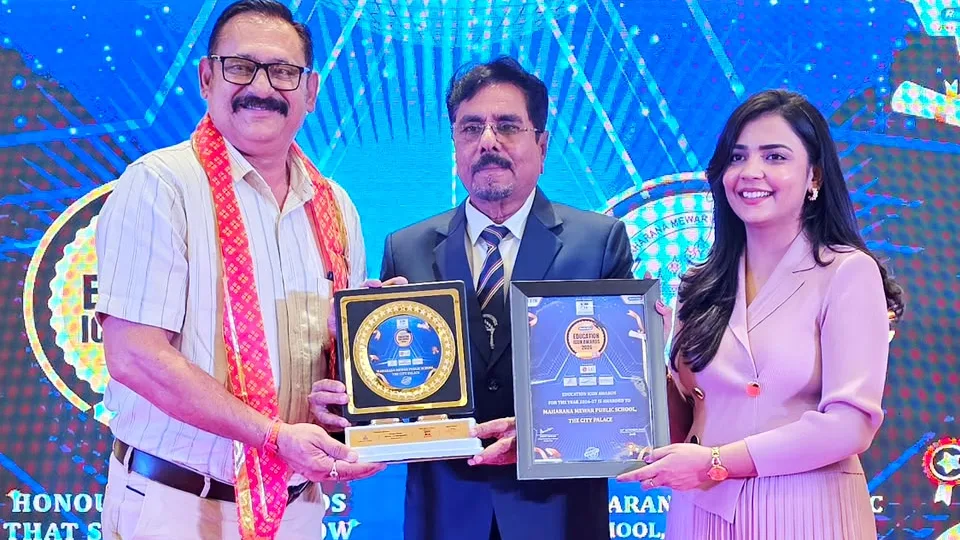
Maharana Mewar Public School Honoured with ‘Education Icon Award 2026’
Udaipur: Maharana Mewar Public School, City Palace, Udaipur, has added another achievement to its record by r…

South Sudan Oil & Power 2026 to Bring Investors Directly to Juba’s Next Energy Opportunities
JUBA -- For exploration companies, the opportunity starts with acreage. South Sudan’s Ministry of Petrole…

South Sudan’s Solar Buildout Opens New Investment Opportunities Ahead of South Sudan Oil & Power (SSOP) 2026
JUBA -- South Sudan’s push to expand electricity access is creating new opportunities for decentralized s…

South Sudan Oil & Power (SSOP) 2026 to Put South Sudan Transmission, Distribution Drive in Focus
JUBA -- The World Bank-funded South Sudan Energy Sector Access and Institutional Strengthening Project (A…