.png)

Udaipur, “Soil gives us water, and water gives life to soil. Whether it is human beings or the entire living world—everything is made of these two essential elements. Therefore, the conservation of soil and water is the greatest necessity for a healthy and prosperous life.”
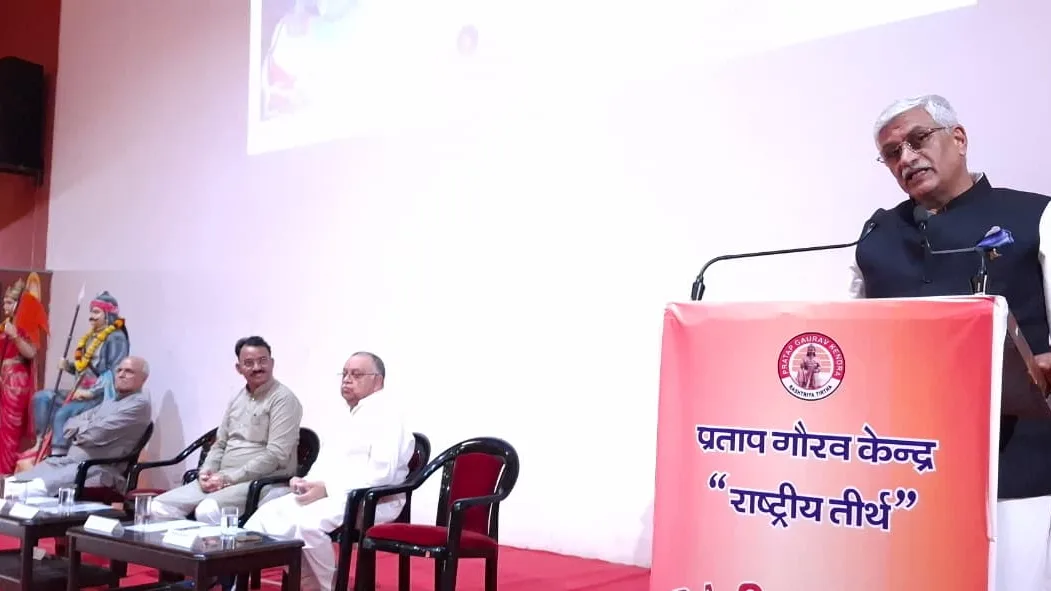
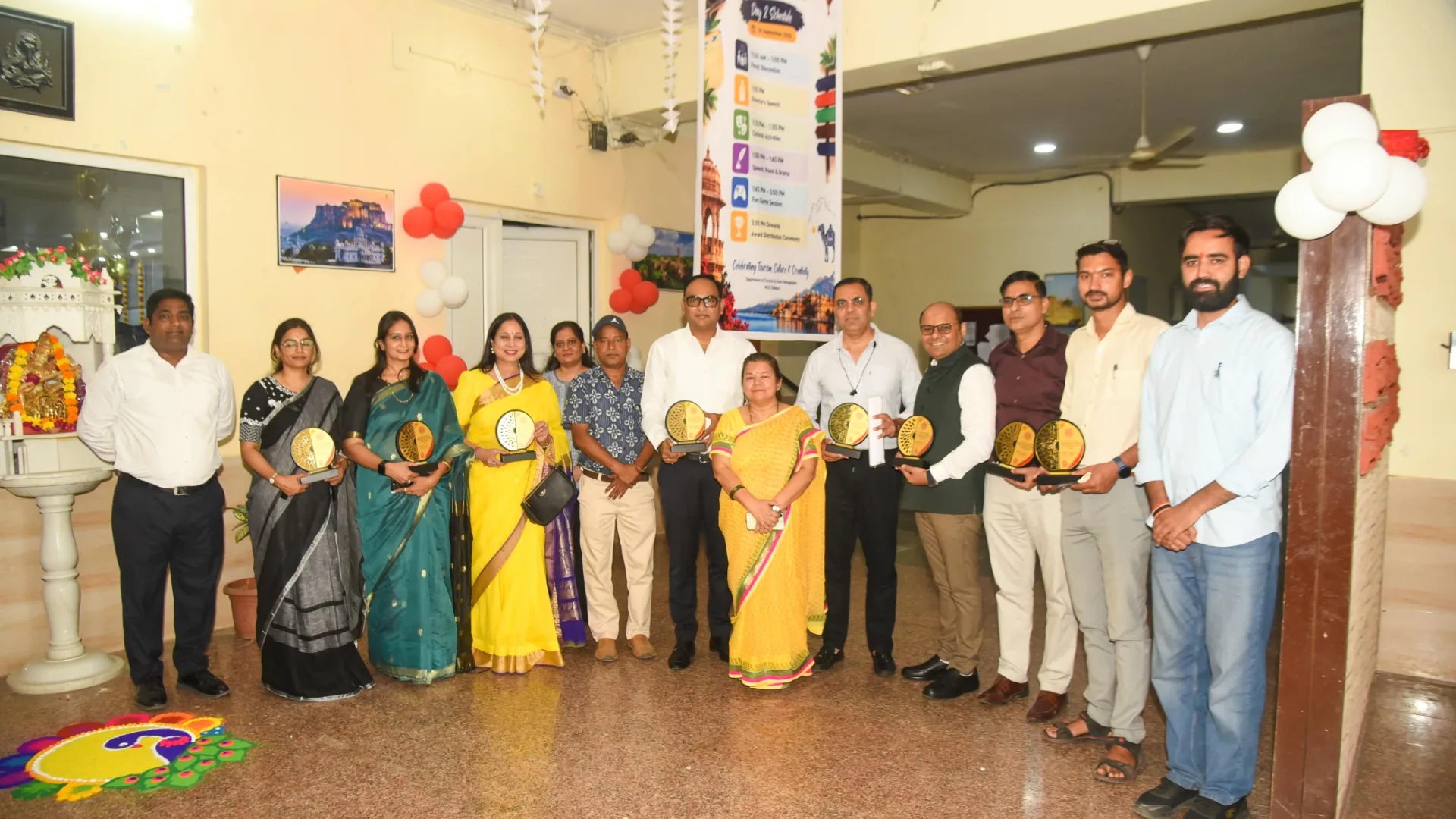
These views were expressed by Dr. Anil Mehta, Principal, Vidya Bhawan Polytechnic, while addressing the divisional-level Watershed Festival organized by the Soil Conservation and Watershed Department of Government of Rajasthan. Dr. Mehta emphasized that Indian culture, rituals, and traditions are deeply rooted in the values of respecting and conserving soil and water. According to him, restoring India’s traditional environmental culture is crucial for saving soil, water, and the natural ecosystem.
Dr. Mehta highlighted this year’s World Soil Day theme, “Healthy Soil for Healthy Cities,” stating that cities themselves function as watershed regions. If urban planning and development are carried out with a watershed-based approach, soil, water, and environmental conservation can be significantly improved. Such planning not only enhances ecological balance but also contributes to the physical and mental well-being of urban residents.
Referring to Udaipur and Rajsamand, Dr. Mehta explained that the region forms part of the vast Ganga River watershed system. He noted that conserving soil and water in these areas is not merely a matter of local importance but also a significant contribution to protecting the Ganga River and India’s national water-environment heritage. Actions taken at the local level, he said, have a direct impact on the health of major rivers and ecosystems downstream.
Dr. Mehta described India as a land blessed with rivers, natural water streams, and drainage systems. He asserted that the conservation and revival of watershed areas is not only an environmental responsibility but also an act of national service. Healthy watershed regions, he stated, are the foundation of a society’s cultural richness, public health, food security, and economic prosperity.
Expressing concern over global soil conditions, Dr. Mehta shared that 95 percent of the world’s food production depends directly on soil, yet one-third of global soil has already reached a state of severe degradation. Rapid erosion, pollution, and unsustainable land use have put soil health at serious risk. Without healthy soil, he noted, neither healthy food nor a healthy society is possible.
While appreciating the efforts of Soil Conservation and Watershed Department, Mehta urged communities, institutions, and government bodies to come together to implement soil conservation practices, promote groundwater recharge, adopt sustainable farming, and revive natural water systems. Public participation, environmental education, and traditional knowledge, according to Dr. Mehta, can play a transformative role in rebuilding ecological balance.