.png)

KVK as a Strong Bridge Between Government and Farmers: Dr. Singh
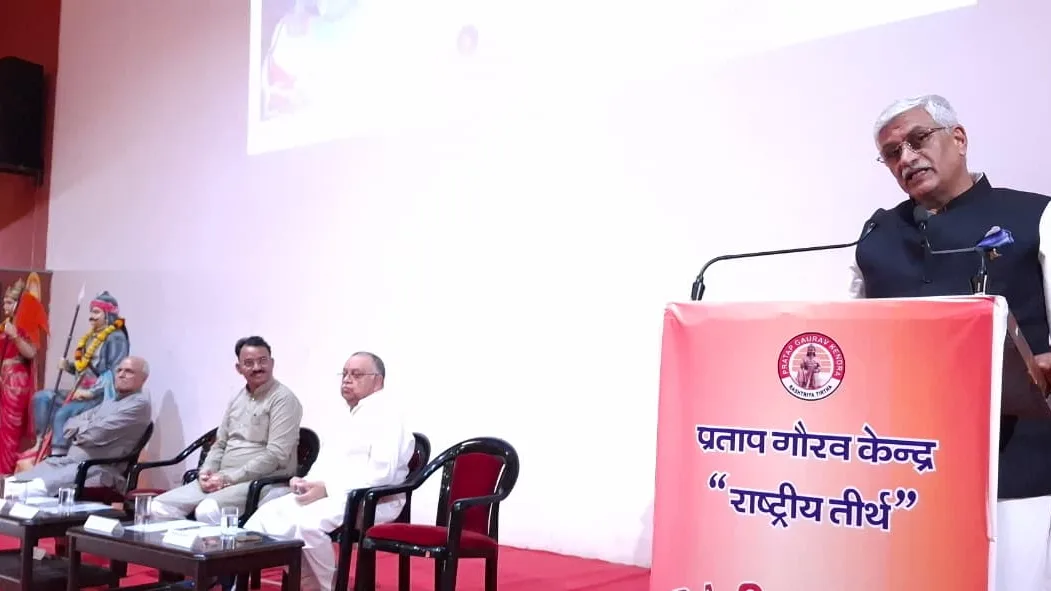
Udaipur . Dr. Ranjay Kumar Singh, Assistant Director General (Agricultural Extension), Indian Council of Agricultural Research (ICAR), New Delhi, said that Krishi Vigyan Kendras (KVKs) are functioning as an effective bridge between the government and farmers. To realize the Prime Minister’s vision of a Developed India by 2047, KVKs across the country must enhance their presence in research as well as commercial domains. He emphasized the need to systematically develop commercial activities based on locally abundant products such as fruits, flowers, milk, and fish, to ensure increased income for farmers and overall national growth.
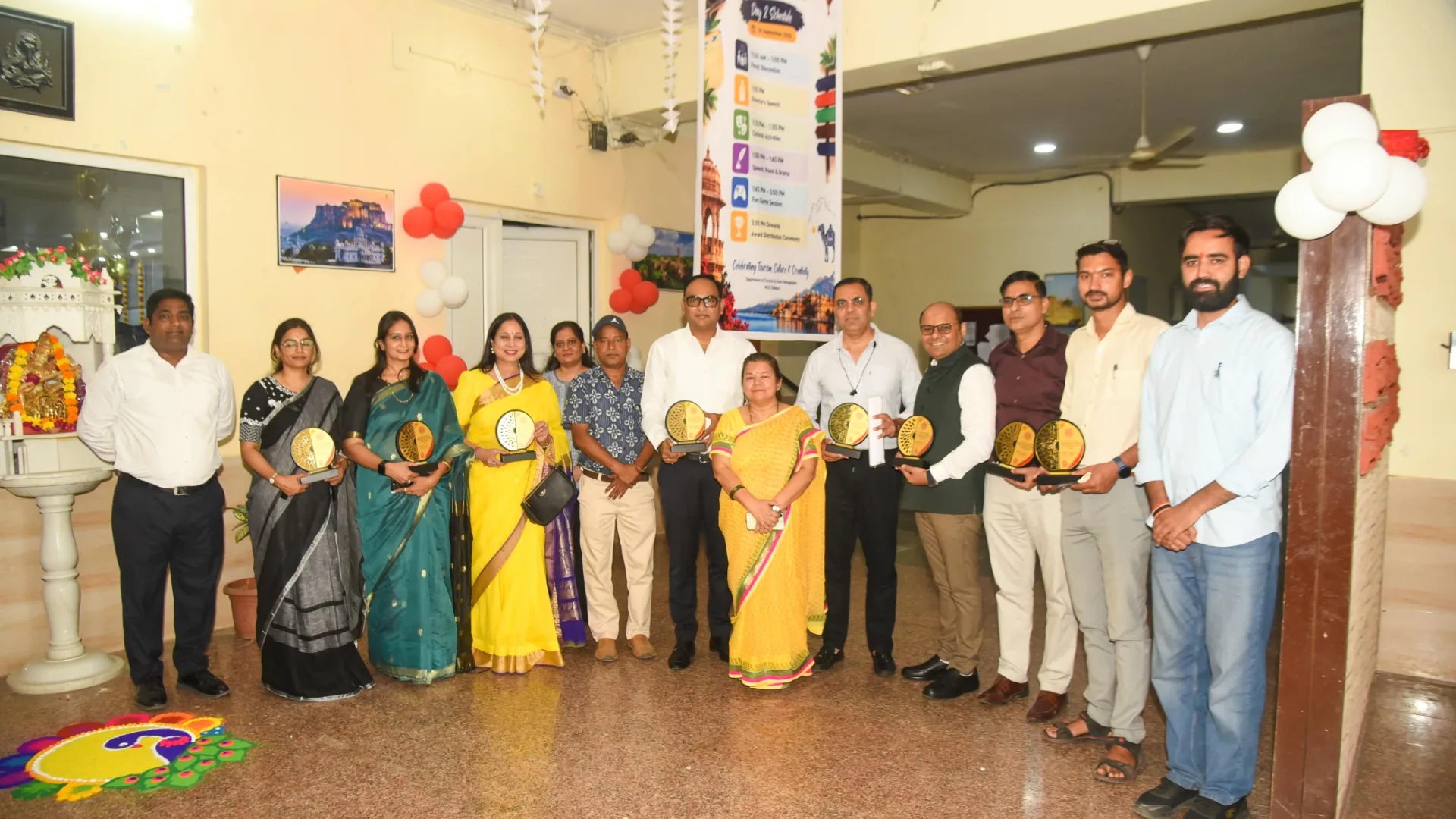
Dr. Singh was addressing the valedictory session of the three-day review workshop held at the Pragya Auditorium of the Directorate of Extension Education. The workshop reviewed the functioning and progress of 67 KVKs from Rajasthan, Haryana, and Delhi. Organized by ICAR–Agricultural Technology Application Research Institute (ATARI), Jodhpur (Zone-II), the workshop witnessed the participation of over 150 agricultural scientists, KVK chairpersons, and senior officials from across the country.
He stated that it is the government’s clear intention that KVKs work with full commitment and document their activities meticulously, as documentation plays a crucial role in policy formulation. Highlighting flagship initiatives, he noted that KVKs must lead efforts to increase pulse and oilseed production and promote natural farming. He urged each KVK to evaluate what exemplary achievements they have made in the past five years that can serve as a model for others. India has 11 agricultural zones, each with unique potential to innovate and excel.
Presiding over the session, MPUAT Vice-Chancellor Dr. Pratap Singh said that developing a new seed variety is a long-term process, often taking decades; therefore, expecting frequent changes is unrealistic. He emphasized that the workshop’s focus should remain on “outcome and output,” calling it the true formula for success. Dr. Singh expressed satisfaction over the increasing participation of youth in agriculture, predicting positive long-term results.
He also highlighted the crucial role of KVKs in agricultural drones, natural farming, crop residue management, and national and regional campaigns. He suggested that ATARI should initiate awards for the Best KVK and notable publications to motivate young researchers.
At the beginning of the session, detailed reports summarizing key issues and recommendations from the technical discussions were presented. Key presenters included Dr. P.P. Rohilla (Jodhpur), Dr. B.L. Jangid, Dr. S.C. Yadav, Dr. Meena Siwach (Rohtak), Dr. C.M. Yadav, Dr. Ganga Devi, Dr. M.L. Chandawal, Dr. Sandeep, and Dr. Pankaj Kumar Saraswat (Karnal).
The workshop also featured insights from Dr. M.M. Adhikari, former Vice-Chancellor of BCKV, West Bengal; Director of Extension Education Dr. R.L. Soni; ATARI Zone-II Director Dr. J.P. Mishra; and Dr. Rajeev Bairathi