.png)

Udaipur: The three-day National Conclave organized by Arpan Seva Sansthan on “Collaborative Action for Innovation Exchange and Sustainable Rural Transformation” was inaugurated today at the RCA Auditorium of Maharana Pratap University of Agriculture and Technology (MPUAT). The conclave, running from February 26–28, brought together over 250 Arpan volunteers, 50+ farmers, researchers, CSR professionals, and rural development experts.
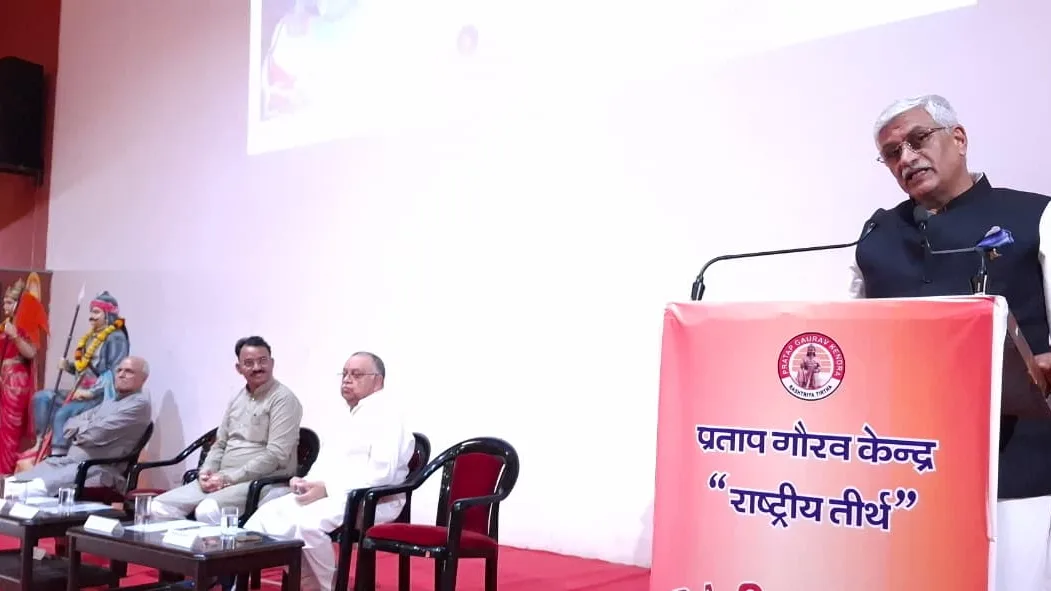
The program’s Chief Guest was Udaipur MP Dr. Manna Lal Rawat, who highlighted the immense potential of GI (Geographical Indication) products from Rajasthan and Madhya Pradesh. He emphasized that linking rural communities with the value chain could strengthen their income and livelihoods, and praised Arpan Seva Sansthan for its dedication to empowering rural India.
Dr. Pratap Singh spoke about research and innovation opportunities for farmers, highlighting that collaboration between universities and regional organizations can bring agricultural research directly to the farmers. He acknowledged the challenge of developing innovation-based models in Udaipur’s unique geographic and economic context but noted it also provides opportunities for sustainable rural transformation. Dr. Singh emphasized, “Ideas sell, not products,” and referenced the Bhubaneswar farm pond model, stressing the importance of technically viable agricultural ponds. He assured that, in collaboration with Arpan Seva Sansthan, an ideal agricultural pond model would be developed at Rajasthan Agricultural College, with plans to replicate it statewide. He also highlighted Jamun, Mahua, and Custard Apple as important sources of income in tribal regions, along with carbon credits. On GI products, he remarked, “First the name, then the work, then the value,” underscoring their role in establishing regional identity and adding value.
Dr. Arvind Verma, Director of Research at MPUAT, and RCA Dean Dr. Manoj Mahla shared their insights on potential collaborations between the university and Arpan Seva Sansthan.
Dr. Subhkaran Singh presented the organization’s 29-year journey, highlighting its impact on over 12 lakh families across 14,000 villages in six states. He detailed achievements in Water Economic Zones, water conservation, livelihood enhancement, education, and health, and referenced the organization’s receipt of the National Water Award 2022.
UNICEF SBC expert Manjari Pant presented the Zero Dose Project, showcasing Arpan Seva Sansthan’s work vaccinating children from DNT (De-notified, Nomadic, Semi-Nomadic) communities and Nand Ghar Anganwadis, calling it exemplary for the nation.
CSR consultant Neeraj Prasad (former CSR Manager, L&T) guided mid- and rural-level volunteers on project design and management. Mr. Pratyush Panda, CEO of One Stage, New Delhi, conducted a session on enhancing the organization’s visibility and effective social media presence. RSWLIP PMC Team Leader N.L.V. Pantlu and Board Member Varun Sharma also attended.
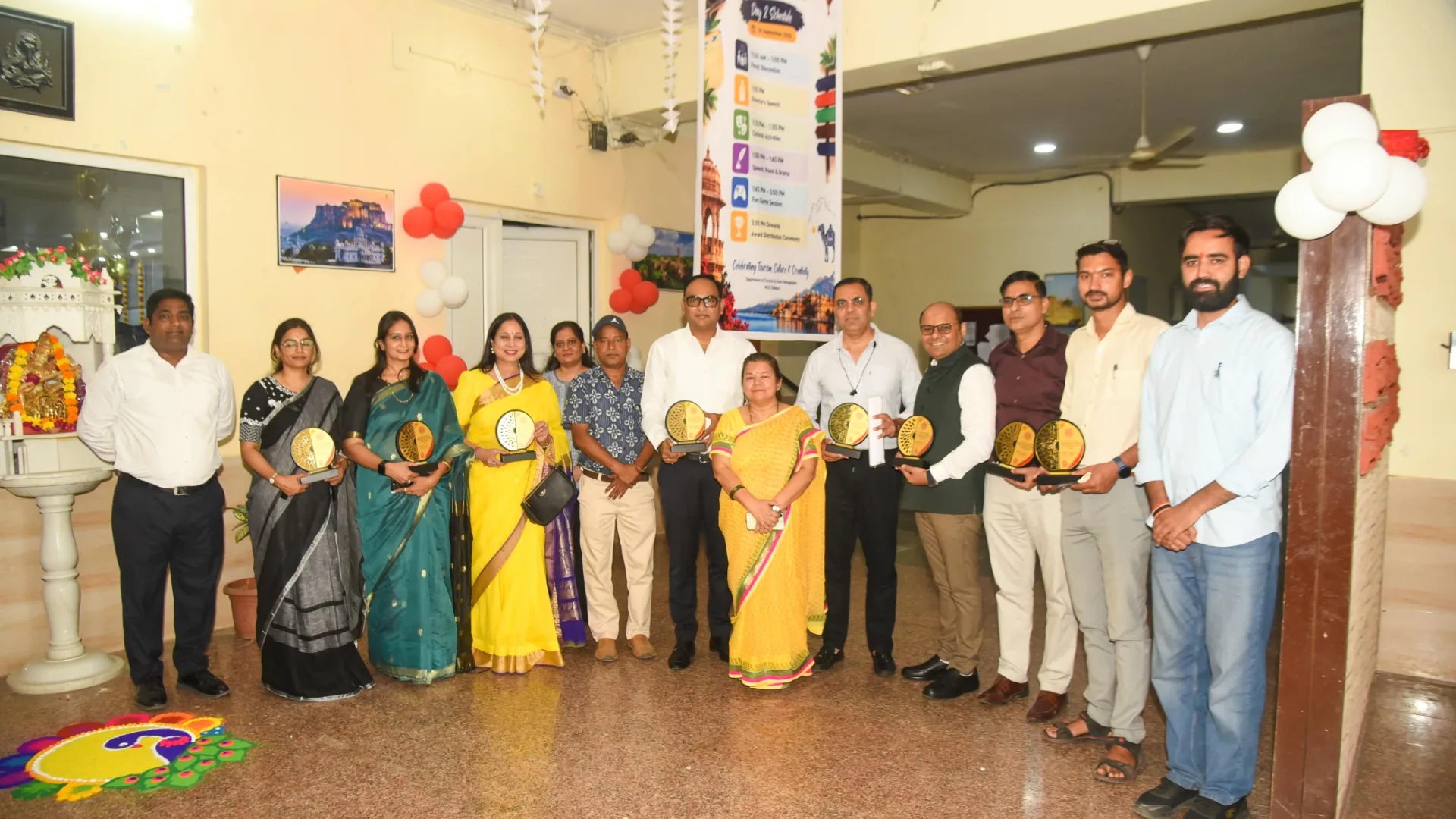
Twenty-four project stakeholders shared success stories directly from the villages, leaving a strong impression on attendees. They were felicitated by the organization. Detailed presentations were made on projects such as Water Economic Zone (WEZ), CBIDP-Bhim, LTIM, HCL Foundation, Nand Ghar, Educate Girls, and others. Director-Program Priyavrat Sajjan provided insights on the Delhi-Yamuna water recharge project.
The next two days of the conclave will feature sessions on FPO sustainability, entrepreneurship development, carbon footprint reduction, nature-based solutions, and sustainable development. The event is successfully conducted with the support of Arpan Seva Sansthan’s dedicated staff and project coordinators.
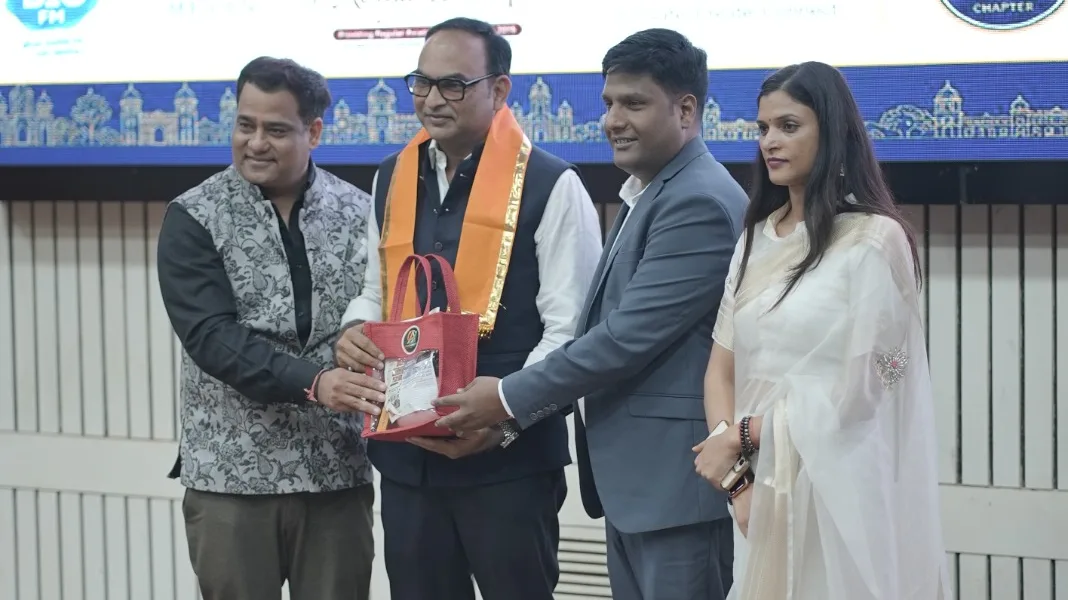
Special guests were honored with mementos by Treasurer Rajesh Jain and General Secretary Yashankar Shivhare. Board member Monisha Sajjan presented a heartfelt vote of thanks to all guests, funding partners, community representatives, and the entire Arpan family.
The conclave concluded with a networking dinner, allowing representatives from various organizations to discuss future collaboration. The three-day event will continue until February 28, focusing on critical topics such as FPOs, governance, climate change, nature-based solutions, and sustainable development.