
.png)
Udaipur, On the eve of the United Nations’ International Day of Clean Air for Blue Skies, observed on September 7, participants at the Sunday Lake Dialogue in Udaipur expressed concern over the growing air pollution associated with tourism and its potential impact on the city’s lakes, wetlands and aquatic ecosystems. The United Nations designated September 7 as the International Day of Clean Air for Blue Skies to raise awareness and promote action for better air quality. UNEP notes that air pollution affects not only human health but also ecosystems and climate. Vidya Bhawan Polytechnic Principal and lake-river expert Dr Anil Mehta said Udaipur must protect both its blue skies and blue lakes if it wants to secure its environmental and tourism future. “Tourism growth cannot be measured only in terms of hotels, rooms, tourist arrivals and revenue. Tourism also has an Air–Water Ecological Footprint, and this footprint now needs to be scientifically assessed,” Mehta said. He pointed out that the growing number of tourist vehicles is not merely a traffic issue. Fine particulate matter, nitrogen oxides and other pollutants emitted by vehicles enter the atmosphere and can subsequently reach water bodies through atmospheric deposition and rainfall. “Every tourist vehicle should be assessed not only for its carbon footprint but also for its wetland footprint” ,he said. Mehta said that while sewage entering lakes is monitored, pollutants reaching lakes through the surrounding atmosphere receive far less attention. “We need to understand the air–water pollution link. In Udaipur, roads, hotels, restaurants and tourism activities are located very close to lakes such as Fateh Sagar, Pichola, Badi, Goverdhan Sagar and Udai Sagar. The atmospheric zone around these lakes should therefore also be considered part of their ecological catchment while framing environmental safeguards,” he said. Mehta said emissions from commercial kitchen exhausts, diesel generators, boilers, laundry operations and other energy-intensive activities at lakeside hotels and restaurants could affect both nearby residents and lake ecosystems. He called for regular air-pollution audits of major hotels and tourism establishments , along with monitoring of their emission-control systems. He also urged the administration and tourism industry to prepare a Tourism Air–Water Impact Assessment and Tourism Pollution Control Plan for Udaipur. Such an assessment, he said, should examine the combined environmental pressures arising from tourist vehicles, hotel emissions, energy consumption, solid waste, water consumption and tourism-related activities around lakes. Former member of the Lake Development Authority Tej Shankar Paliwal said fireworks organised along the lakes for tourists, destination weddings and private parties should not be viewed merely as a noise-pollution issue. Fireworks release PM2.5, PM10 and various chemical and metal-containing particlesinto the atmosphere, while residues can subsequently reach nearby water bodies. Paliwal called for strict controls on fireworks around lakes and sensitive bird habitats. Social worker Nand Kishore Sharma said that Udaipur’s lakes, Aravalli hills, forests and clean air are the city’s tourism lifeline. “If vehicular pollution, hotel emissions, waste generation, water consumption and pressure on the lakes continue to increase with tourism, the industry will ultimately weaken the very natural capital that attracts tourists to Udaipur,” he said. Educationist Kushal Rawal said Udaipur needs not simply more tourists, but better and more responsible tourism. “Tourism success cannot be measured only by how many people visit the city. It must also be measured by how healthy Udaipur’s air, water, lakes, hills and birdlife remain after those tourists leave,” he said. Senior citizen Drupad Singh and lake enthusiast Vinod Kumawat said migratory birds could be regarded as Udaipur’s most authentic natural tourists. “These birds travel thousands of kilometres because Udaipur’s lake-wetland systems provide them with food, resting grounds, habitat and breeding opportunities. A decline in either the number or diversity of migratory birds should be treated as a serious warning for both Udaipur’s tourism and its ecology,” they said. Asha Kunwar Chauhan and Lalita Bindraban also shared their views during the dialogue.
India
Udaipur’s Tourism Needs an Air–Water Ecological Footprint Assessment: Dr Anil Mehta

Related stories
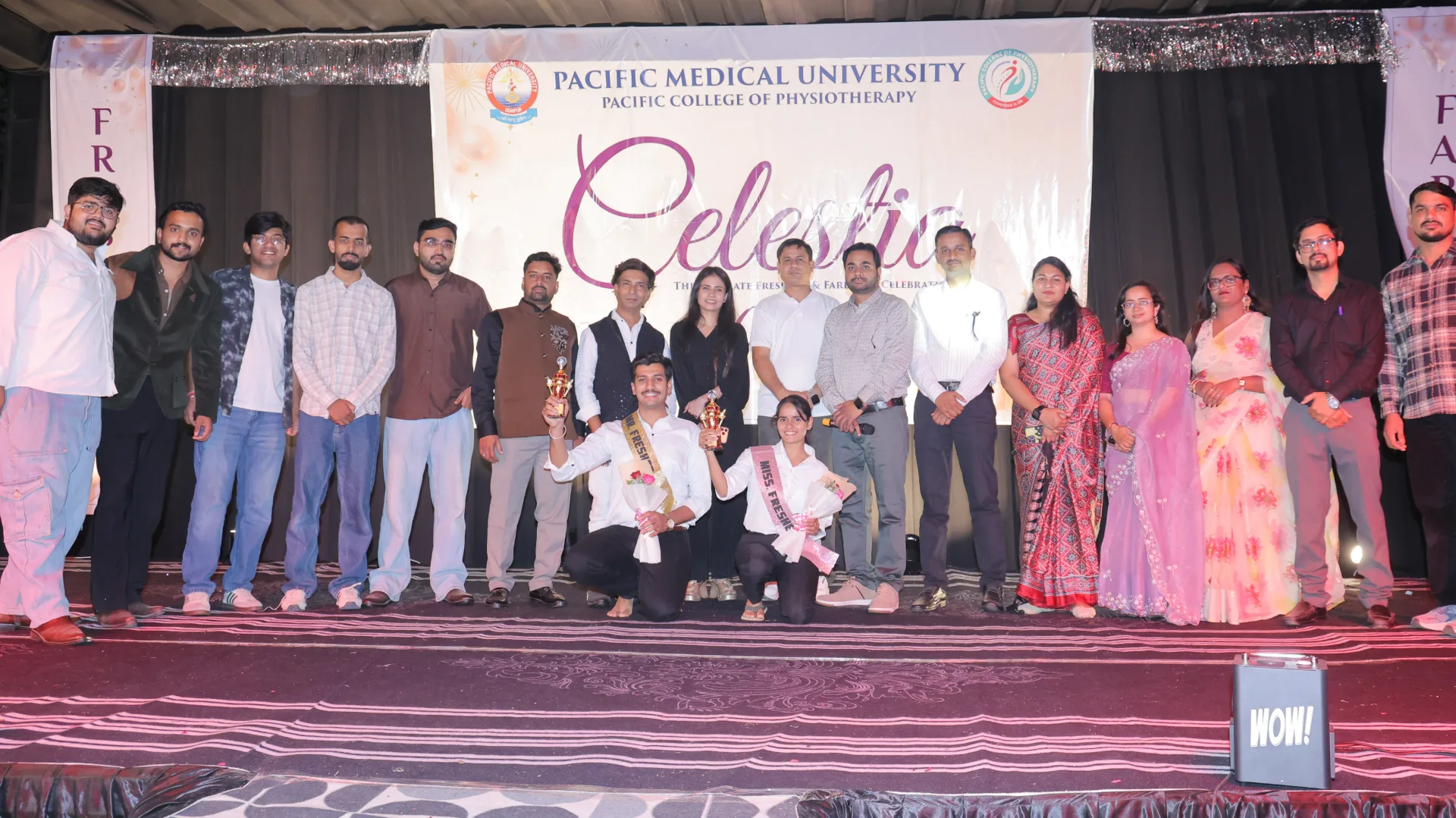
Pacific College of Physiotherapy Hosts Freshers’ and Farewell Party
Udaipur: Pacific College of Physiotherapy, Pacific Medical University, organised a Freshers’ and Farewell Par…
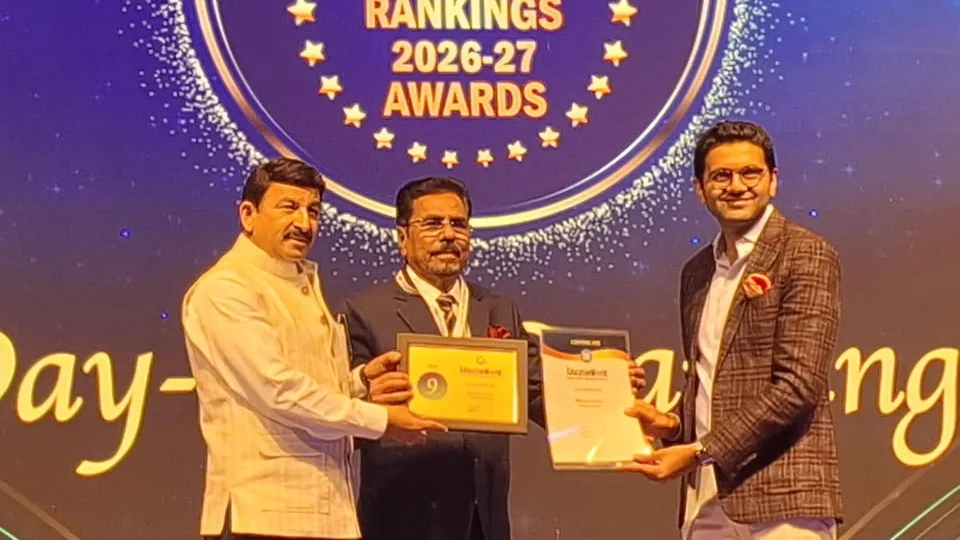
Maharana Mewar Public School Ranks Ninth Nationally, Third in Rajasthan in EWISR 2026
Udaipur: Maharana Mewar Public School, located at the City Palace in Udaipur, has secured the ninth position…

Algeria Energy Minister Brings Regional Power Expertise to MSGBC 2026
DAKAR -- Algeria’s Minister of Energy and Renewable Energies Mourad Adjal will participate as a speaker a…

$17B in Commitments and New Deals Drive African Energy Investment
CAPE TOWN -- African Energy Week (AEW) 2026 concluded in Cape Town after five days of dealmaking, licensi…