
.png)
There is an ethereal, age-old romance between Indian classical arts and the natural world. Music does not merely describe the seasons here; it summons them, breathes life into them, and reflects their soul. In the heart of Mewar, where monsoon clouds had been teasing the earth with elusive promises, the Western Zone Cultural Centre (WZCC), Udaipur, hosted its annual *‘Malhar’* festival at Shilpgram—a two-day celebration that transformed waiting hearts into a symphony of rain and devotion. ### *Cleansing the Soul: The Spirit of Malhar* As Dr. Ashwin M. Dalvi, Director of WZCC, beautifully reflected: > “Malhar is that which purifies—it washes away all grime, lethargy, and gloom. Just as the monsoon rains cleanse the earth and awaken new life, Malhar rejuvenates human consciousness.” Against the serene backdrop of Shilpgram, artists from Gujarat, Maharashtra, Goa, and Kerala converged to bridge the gap between ancient traditions and modern audiences, honoring the sacred Guru-Shishya Parampara (teacher-disciple tradition). Day 1: Twilight Melodies and Rhythmic Thunder The journey opened on Saturday evening with the acclaimed Hindustani classical vocalist *Gauri Pathare. Beginning with the profound and introspective *Rag Marwa (“Piya More Aaye”), she deftly shifted to the evocative Gaud Malhar of the Gwalior Gharana. Her swift, cascading taans felt like early wind currents before a storm, culminating in a soul-stirring Kajri—“Kaari Kaari Badariya.” Accompanied by Pushkaraj Joshi on the tabla and Supriya Modak Joshi on the harmonium, the performance left the audience spellbound. The evening then elevated into a masterclass of rhythm as *Hetal Mehta Joshi* from Ahmedabad took center stage. Performing a solo tabla recitation in Vilambit Dhamar, she evoked the majestic Veer Rasa (heroic mood). Moving seamlessly into Teentaal compositions of the Banaras Gharana, she demonstrated complex rhythmic patterns—Uthan, Chalan, Rela, and Upaj. Hetal did not just play for the audience; she drew them into the intricate pulse of time itself, supported brilliantly by Pandit Rajendra Banerjee on harmonium. Day 2: Plucked Strings and the Grace of Mohiniyattam By Sunday evening, the skies over Mewar remained silent, but the sitar of Goa’s *Vinayak Chittar* set out to shake the clouds loose. Opening with Rag Gaud Malhar, Chittar’s meticulous Aalaap, Jod, and Jhala were nothing short of a sonic downpour. Through his strings, listeners could feel every stage of the monsoon—from gentle drizzles and soft breezes to torrential rains. Supported by the dynamic tabla dynamics of Pt. Parthasarathy Mukherjee from Raipur, the musical dialogue between sitar and tabla sparked a palpable energy in the auditorium. And nature listened. Just two days after these lingering notes faded into the night air, the long-awaited rains finally poured over Mewar—a tes astament to the power of art invoking nature. The festival concluded with a rare, grand presentation of *Mohiniyattam* by renowned exponent *Guru Pallavi Krishnan* and her ensemble from Kerala: * *Shiv Panchakshar Stotram:* A sublime solo opening where every syllable of "Namah Shivaya" was translated into vivid Nritta (pure dance) and Abhinaya (expressive acting), heightened by melodious vocals and dramatic lighting. * *Maya Mohan Krishna:* A group choreography bringing epic lore to life—from the emotional rescue of Draupadi and Gajendra to Krishna revealing his cosmic vision (Vishwaroopa) to Arjuna at Kurukshetra. * *Chintavishtayaya Sita:* A poignant narrative reflecting Sita’s inner turmoil and her ultimate return to the Earth. The piece powerfully mirrored contemporary women's struggles and grief, leaving the audience deeply moved. --Fine sir... ### *A Renaissance in Mewar* Through the vision of Dr. Ashwin M. Dalvi and the dedication of the WZCC team, "Malhar" was more than a cultural showcas### *When Ragas Summon the Rain: Unveiling "Malhar" at Shilpgram* There is an ethereal, age-old romance between Indian classical arts and the natural world. Music does not merely describe the seasons here; it summons them, breathes life into them, and reflects their soul. In the heart of Mewar, where monsoon clouds had been teasing the earth with elusive promises, the Western Zone Cultural Centre (WZCC), Udaipur, hosted its annual *‘Malhar’* festival at Shilpgram—a two-day celebration that transformed waiting hearts into a symphony of rain and devotion. ### *Cleansing the Soul: The Spirit of Malhar* As Dr. Ashwin M. Dalvi, Director of WZCC, beautifully reflected: > “Malhar is that which purifies—it washes away all grime, lethargy, and gloom. Just as the monsoon rains cleanse the earth and awaken new life, Malhar rejuvenates human consciousness.” Against the serene backdrop of Shilpgram, artists from Gujarat, Maharashtra, Goa, and Kerala converged to bridge the gap between ancient traditions and modern audiences, honoring the sacred Guru-Shishya Parampara (teacher-disciple tradition). ### *Day 1: Twilight Melodies and Rhythmic Thunder* The journey opened on Saturday evening with the acclaimed Hindustani classical vocalist *Gauri Pathare. Beginning with the profound and introspective *Rag Marwa (“Piya More Aaye”), she deftly shifted to the evocative Gaud Malhar of the Gwalior Gharana. Her swift, cascading taans felt like early wind currents before a storm, culminating in a soul-stirring Kajri—“Kaari Kaari Badariya.” Accompanied by Pushkaraj Joshi on the tabla and Supriya Modak Joshi on the harmonium, the performance left the audience spellbound. The evening then elevated into a masterclass of rhythm as *Hetal Mehta Joshi* from Ahmedabad took center stage. Performing a solo tabla recitation in Vilambit Dhamar, she evoked the majestic Veer Rasa (heroic mood). Moving seamlessly into Teentaal compositions of the Banaras Gharana, she demonstrated complex rhythmic patterns—Uthan, Chalan, Rela, and Upaj. Hetal did not just play for the audience; she drew them into the intricate pulse of time itself, supported brilliantly by Pandit Rajendra Banerjee on harmonium. ### *Day 2: Plucked Strings and the Grace of Mohiniyattam* By Sunday evening, the skies over Mewar remained silent, but the sitar of Goa’s *Vinayak Chittar* set out to shake the clouds loose. Opening with Rag Gaud Malhar, Chittar’s meticulous Aalaap, Jod, and Jhala were nothing short of a sonic downpour. Through his strings, listeners could feel every stage of the monsoon—from gentle drizzles and soft breezes to torrential rains. Supported by the dynamic tabla dynamics of Pt. Parthasarathy Mukherjee from Raipur, the musical dialogue between sitar and tabla sparked a palpable energy in the auditorium. And nature listened. Just two days after these lingering notes faded into the night air, the long-awaited rains finally poured into over Mewar—a testament to the power of art invoking nature. The festival concluded with a rare, grand presentation of *Mohiniyattam* by renowned exponent *Guru Pallavi Krishnan* and her ensemble from Kerala: * *Shiv Panchakshar Stotram:* A sublime solo opening where every syllable of "Namah Shivaya" was translated into vivid Nritta (pure dance) and Abhinaya (expressive acting), heightened by melodious vocals and dramatic lighting. * *Maya Mohan Krishna:* A group choreography bringing epic lore to life—from the emotional rescue of Draupadi and Gajendra to Krishna revealing his cosmic vision (Vishwaroopa) to Arjuna at Kurukshetra. * *Chintavishtayaya Sita:* A poignant narrative reflecting Sita’s inner turmoil and her ultimate return to the Earth. The piece powerfully mirrored contemporary women's struggles and grief, leaving the audience deeply moved. ### *A Renaissance in Mewar* Through the vision of Dr. Ashwin M. Dalvi and the dedication of the WZCC team, "Malhar" was more than a cultural showcase—it was a bridge connecting classical heritage with everyday people. Innovatively crafted and passionately executed, the festival delivered on its promise: it refreshed the land, cleansed the spirit, and bestowed the ultimate gift of rain upon Mewar.e—it was a bridge connecting classical heritage with everyday people. Innovatively Crafter and passionately executed, the festival delivered on its promise: it refreshed the land, cleansed the spirit, and bestowed the ultimate gift of rain upon Mewar.
Lakecity Headlines
When Ragas Summon the Rain: Unveiling Malhar at Shilpgram

Related stories
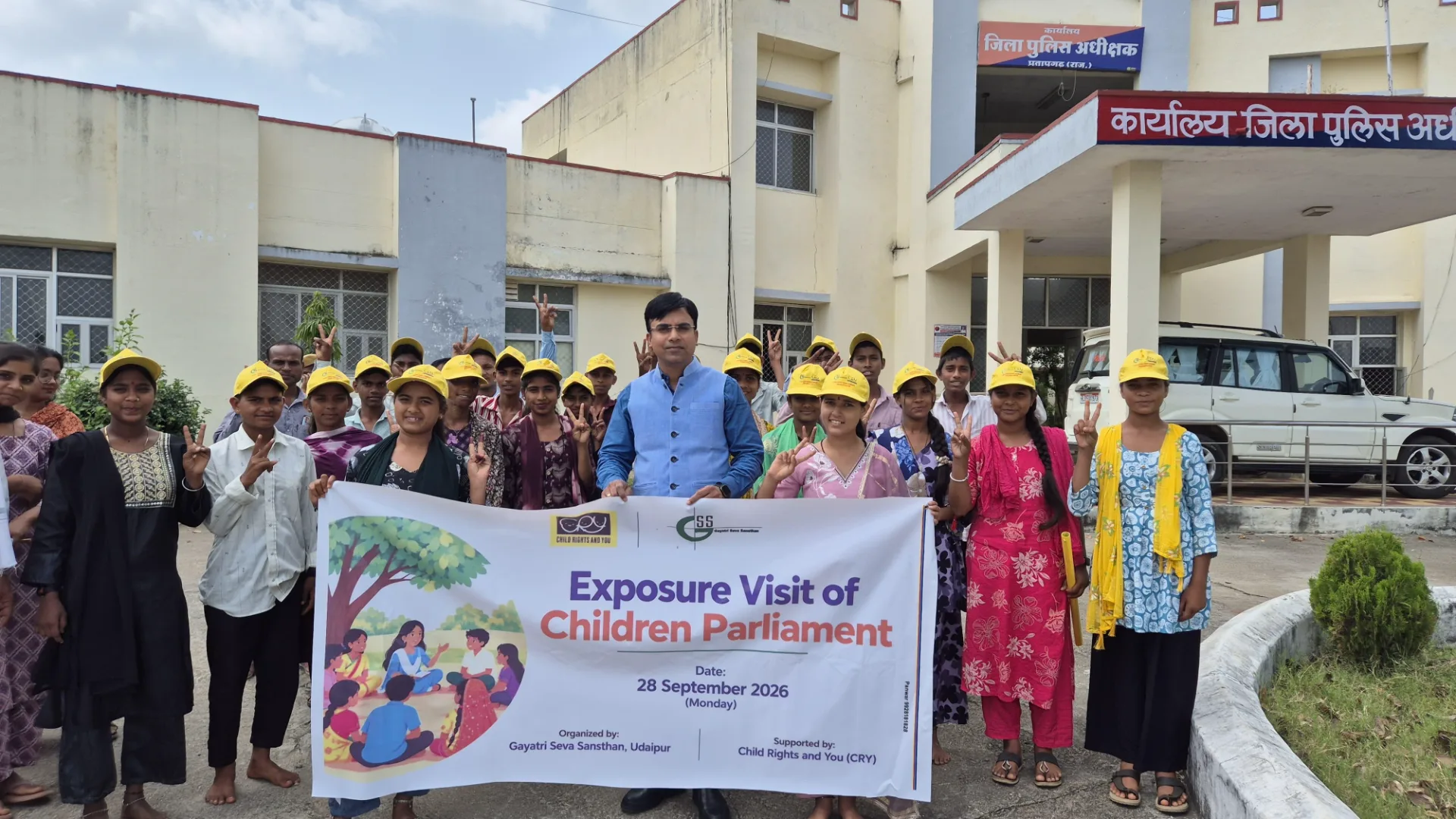
If Someone Scares You or Something Goes Wrong, Tell Me Directly, Says SP Vishal Jangid
Pratapgarh: For the first time, representatives of Bal Sansads (Children’s Parliaments) formed in tribal and…
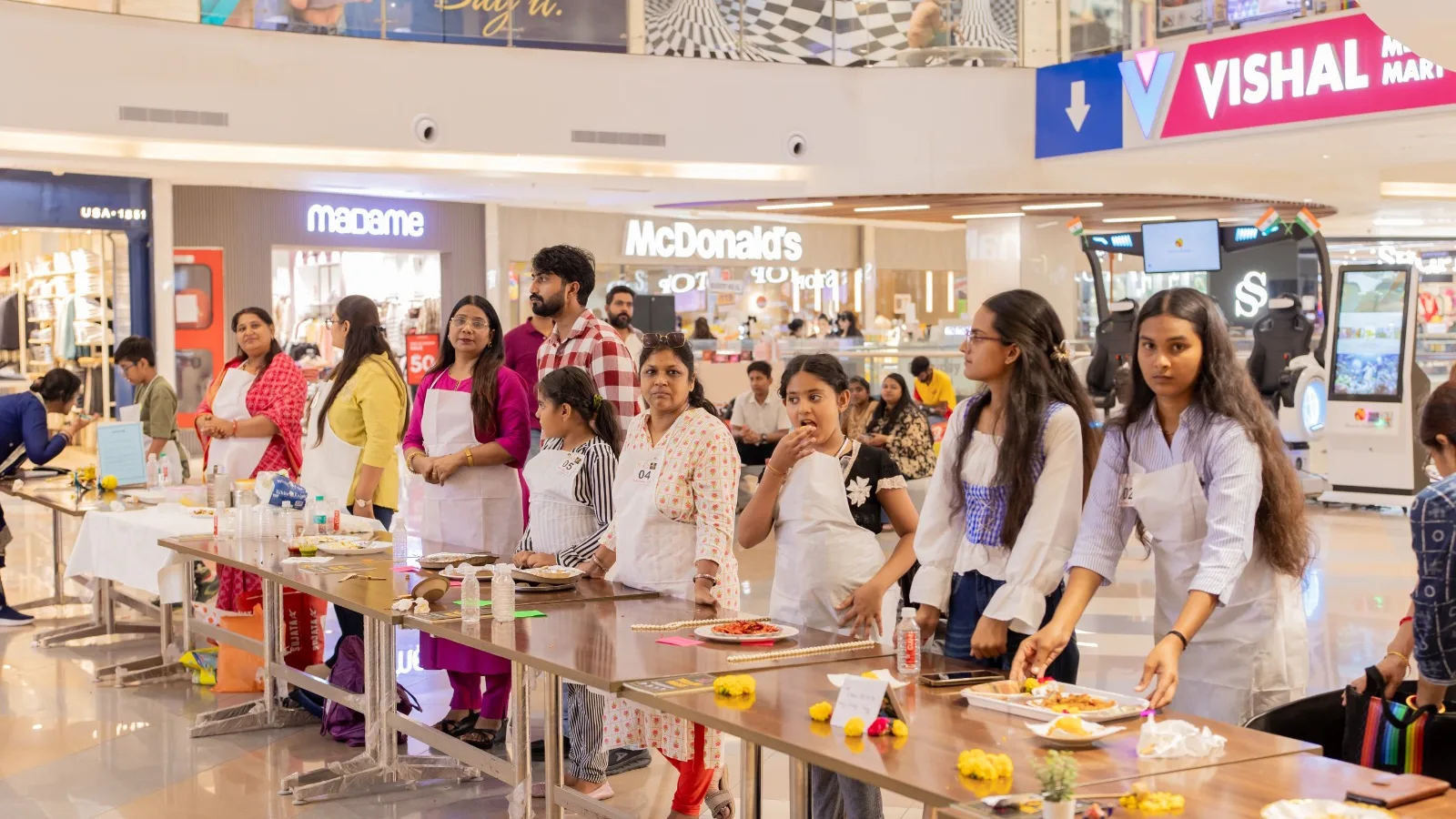
Urban Weekender at Urban Square Mall Draws Over 100 Participants Showcasing Culinary Talent
Udaipur: Urban Square Mall hosted ‘Urban Weekender’ over the weekend, offering residents and families an oppo…
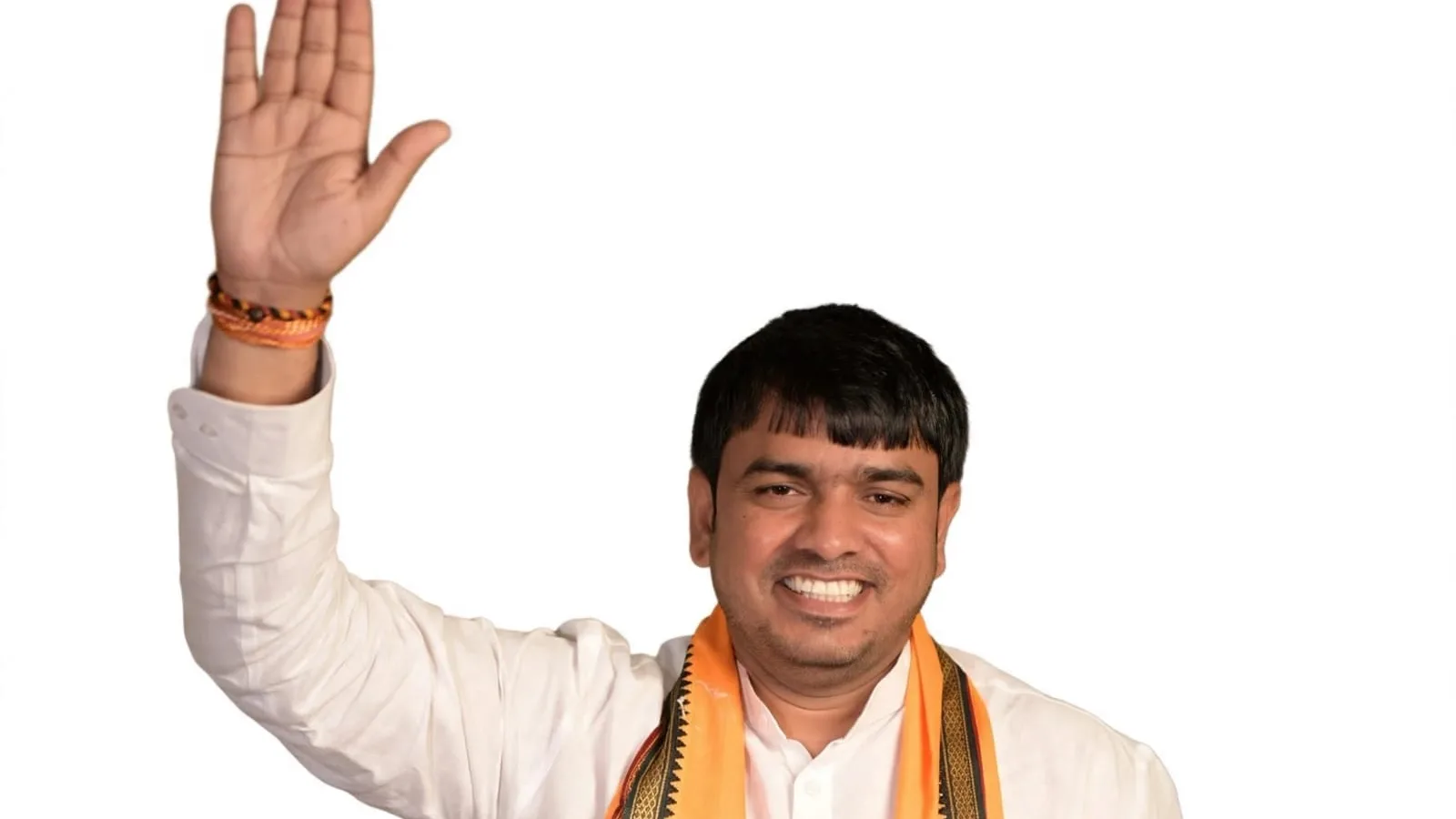
Prayagraj / Meja: Meja Must Change for Prayagraj to Change — Sanjay Bhushan Kushwaha Pledges Development
Sanjay Bhushan Kushwaha, National Spokesperson for the Sanyukt Vikas Party (SNVP) representing the Meja Assem…
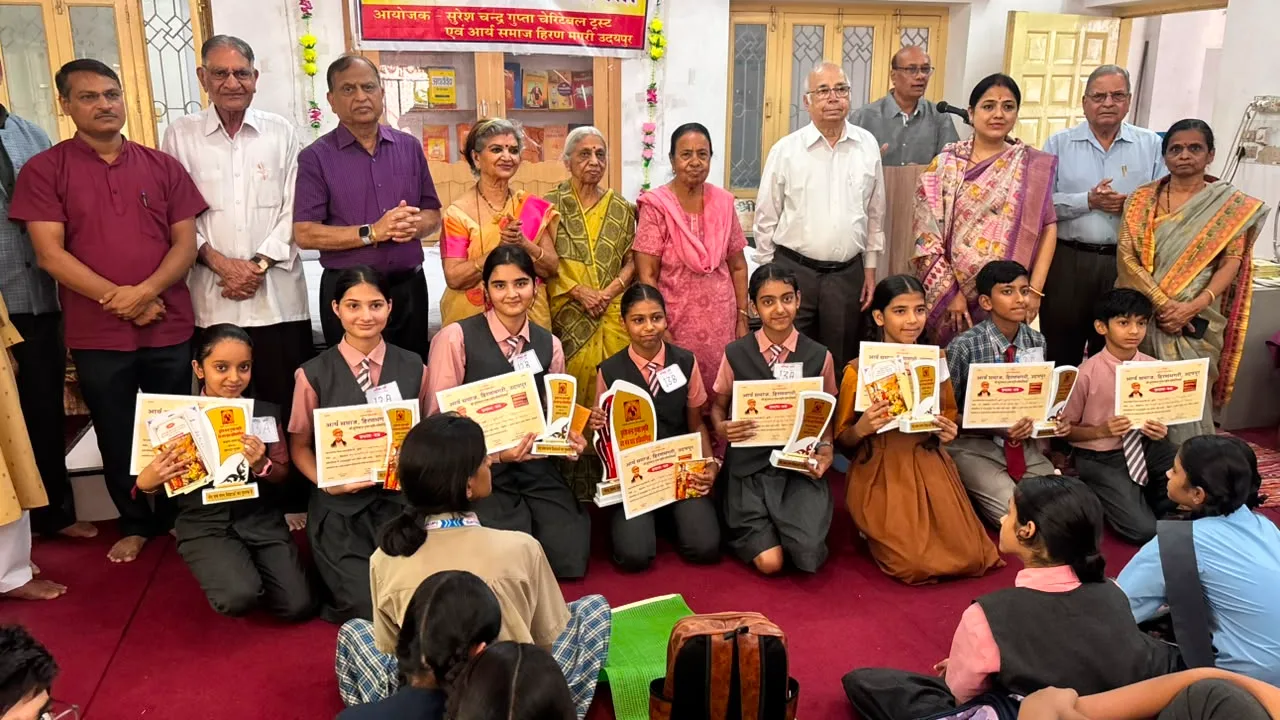
Vedic Chants Resonate at Suresh Chandra Gupta Memorial Veda Mantra Recitation Competition
Udaipur: Arya Samaj Hiran Magri, Udaipur, organised the Inter-School Suresh Chandra Gupta Memorial Veda Mantr…