
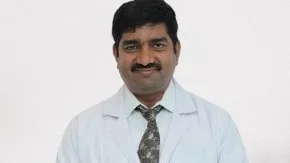
Udaipur: In a significant advancement in specialised neurosurgical care, doctors at Paras Health, Udaipur, have successfully performed a complex spinal cord surgery on an 18-year-old girl diagnosed with a rare condition known as cervicodorsal intramedullary spinal cord lipoma. Following the procedure, the patient has demonstrated significant neurological improvement and regained the ability to walk independently without assistance. The intricate neurosurgical procedure was performed by Dr. Ajit Singh, Director and Head of the Department of Neurosurgery at Paras Health, Udaipur. The surgical intervention aimed to reduce the mass effect and spinal cord compression caused by the lipomatous lesion while preserving the surrounding functional neural tissue and critical motor pathways. The patient had been experiencing progressively worsening left-sided pain for approximately one year, accompanied by muscle weakness and impaired gait stability. Magnetic Resonance Imaging (MRI) revealed an intramedullary fatty lesion extending from the lower cervical to the upper thoracic region, involving spinal cord segments C7 to D3. The intramedullary location of the lesion made the case particularly challenging, as the lipomatous tissue was closely adherent to the surrounding normal spinal cord parenchyma and delicate neural structures. Understanding Intramedullary Spinal Cord Lipoma Spinal cord lipomas are rare, benign, non-neoplastic fatty lesions, many of which are congenital in origin. They may remain clinically silent for years and become symptomatic during adolescence or adulthood as neurological deficits gradually develop. Depending on their location and extent, these lesions can cause progressive spinal cord compression, resulting in motor weakness, sensory disturbances, impaired coordination and gait abnormalities. Surgical management of intramedullary lipomas is particularly challenging because the abnormal fatty tissue may be interwoven with or closely adherent to functional spinal cord tissue. Consequently, aggressive or complete excision may carry a significant risk of permanent neurological deficits. The surgical approach therefore prioritises adequate decompression and preservation of neurological function rather than pursuing radical removal at any cost. Explaining the clinical complexities involved, Dr. Ajit Singh said, "Spinal cord surgery involves much more than simply removing a growth or lesion. It is essential to understand its anatomical relationship with the surrounding neural structures, as these pathways govern movement and several vital neurological functions. "In rare conditions such as intramedullary lipoma, the surgical strategy must be individualised based on the lesion's location, its adherence to normal spinal cord tissue and the patient's preoperative neurological status. Determining the extent of tissue that can be safely removed is as important as the surgical procedure itself. The primary objective is to achieve adequate spinal cord decompression while preserving neurological function and the long-term integrity of critical neural pathways." Advanced Microsurgical Technique and Intraoperative Neuromonitoring The neurosurgical team performed microsurgical debulking and spinal cord decompression to reduce the volume of the lipomatous lesion and relieve pressure on the spinal cord. A Cavitron Ultrasonic Surgical Aspirator (CUSA) was utilised during the procedure. This specialised surgical instrument uses ultrasonic energy to fragment and aspirate targeted tissue in a controlled manner, facilitating precise removal of the fatty component while helping minimise trauma to adjacent structures. Intraoperative neurophysiological monitoring (IONM) was also employed throughout the surgery to continuously assess neural pathway integrity and monitor spinal cord function. This technology enabled the surgical team to evaluate neurological responses and monitor critical motor and sensory pathways during the procedure, supporting the preservation of essential neurological functions. Significant Neurological Recovery After Surgery Following the surgical intervention, the patient showed encouraging neurological recovery and regained independent ambulation without external support. The improvement represents a significant outcome in the management of a rare spinal cord pathology that had progressively compromised her mobility, muscle strength and balance. The successful outcome highlights the importance of specialised neurosurgical expertise, advanced microsurgical techniques and real-time intraoperative neurophysiological monitoring in managing complex intramedullary spinal cord lesions. This achievement further strengthens Paras Health, Udaipur's focus on advanced neurosurgical services in southern Rajasthan. By integrating specialised clinical expertise with modern surgical technology, the hospital aims to provide comprehensive treatment for complex brain and spinal disorders within the region, reducing the need for patients to travel to major metropolitan centres for advanced neurosurgical interventions.
Paras Health
18-Year-Old Regains Independent Mobility Following Complex Intramedullary Spinal Cord Surgery at Paras Health, Udaipur
Rare Cervicodorsal Spinal Cord Lipoma Successfully Treated Through Advanced Microsurgical Debulking and Decompression
Related stories
Transforming Diabetes Care, One Blue Point at a Time (By Senator Prof. Dr. Rasha Kelej)
NAIROBI -- By Senator Prof. Dr. Rasha Kelej CEO of Merck Foundation (https://Merck-Foundation.com/)Senato…

Nilepet Targets New Energy Partnerships as South Sudan Oil & Power (SSOP) 2026 Diamond Sponsor
JUBA -- South Sudan’s national oil company Nile Petroleum Corporation (Nilepet) and its subsidiaries have…

Birsa Munda: A Living Legacy and A Legend who fought for Land, Identity & Self-Rule
A great personality is not judged merely by the popularity he enjoys in his lifetime, but by how deeply he un…
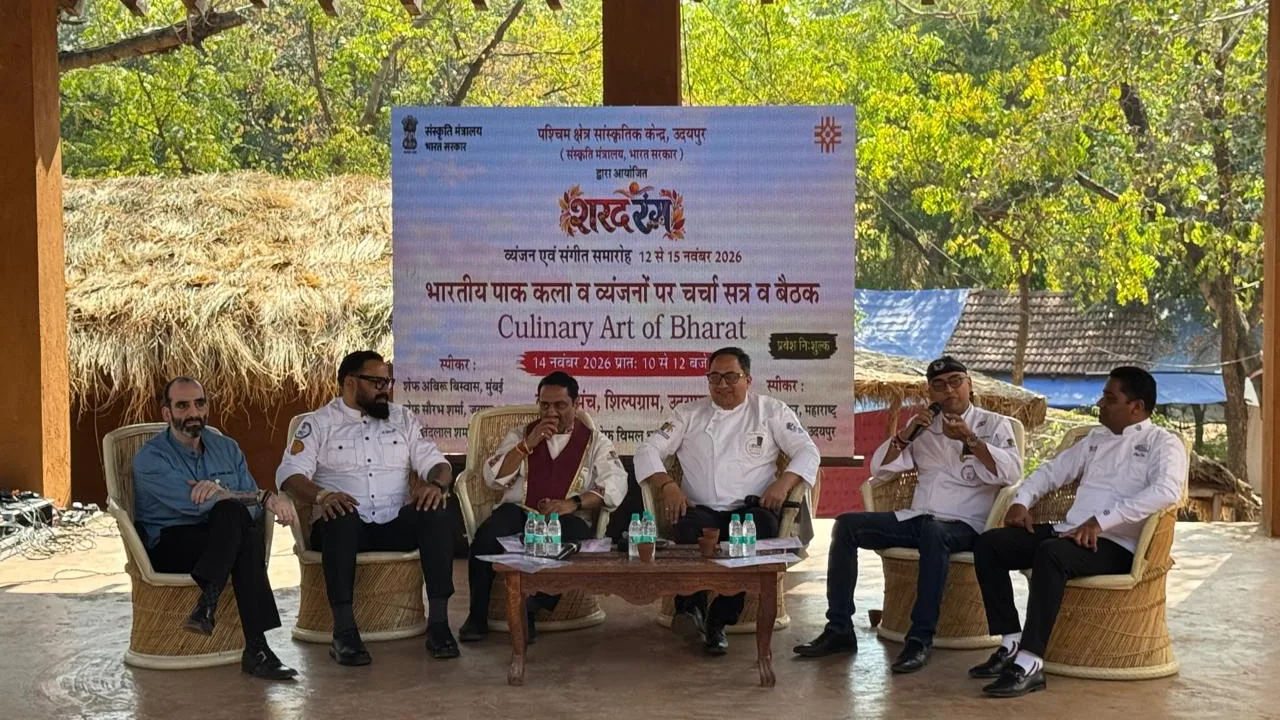
India's History Simmering in Its Kitchens: Chefs Explore Culinary Heritage at ‘Sharad Rang’
Udaipur: In Indian kitchens, it is not just lentils, bread and spices that simmer over the flame. They also p…