.png)
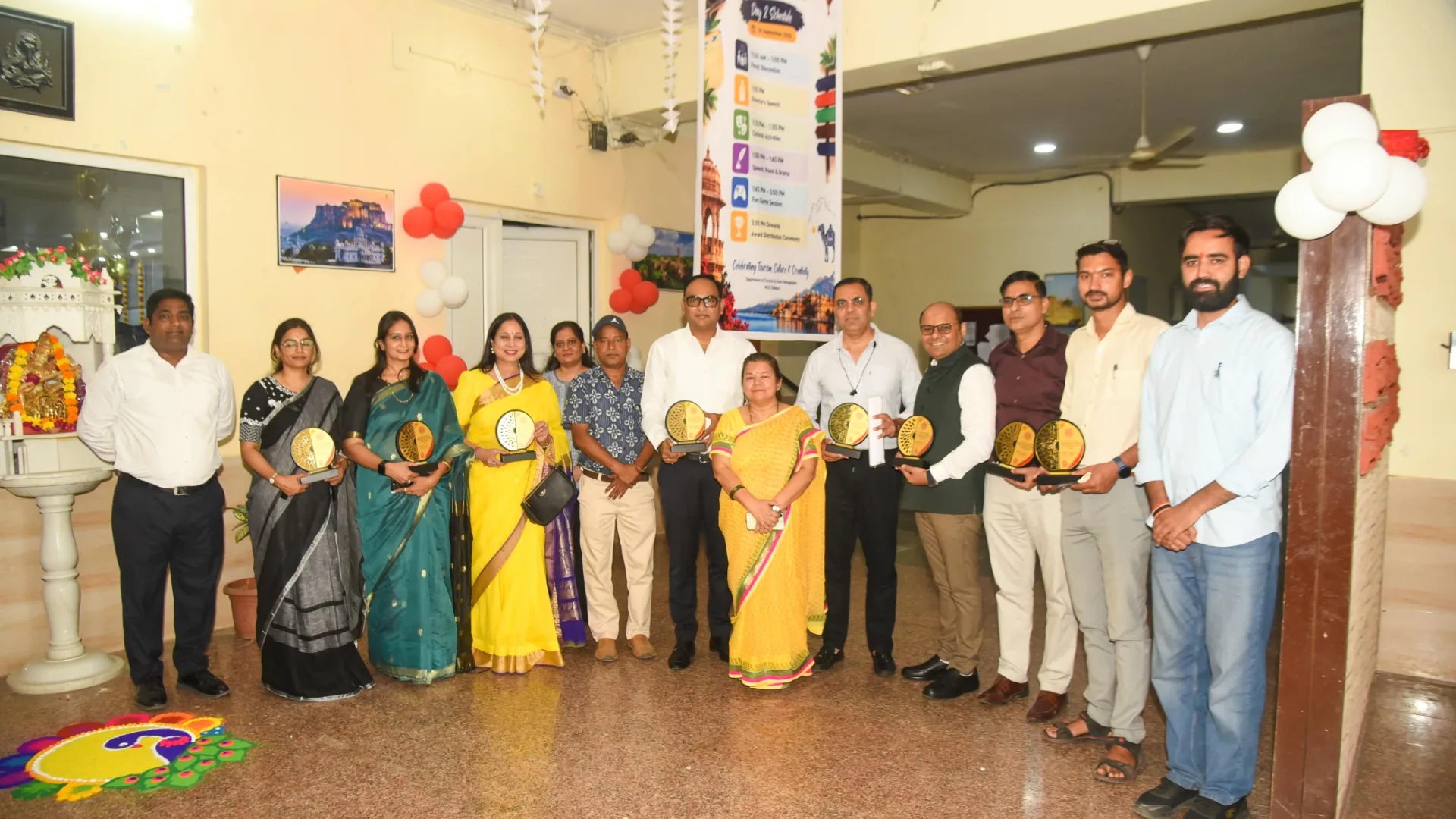
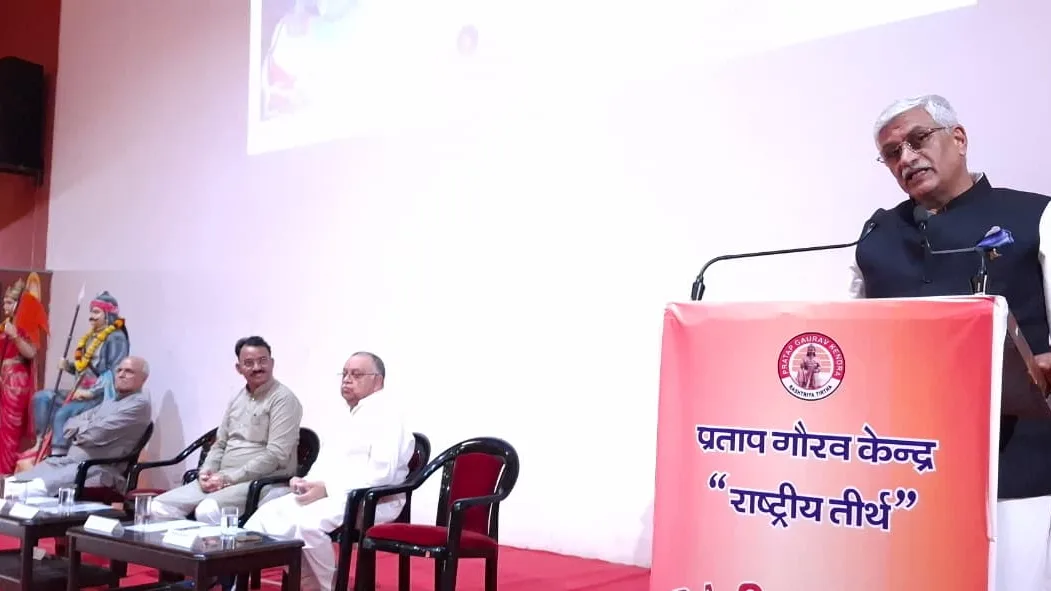
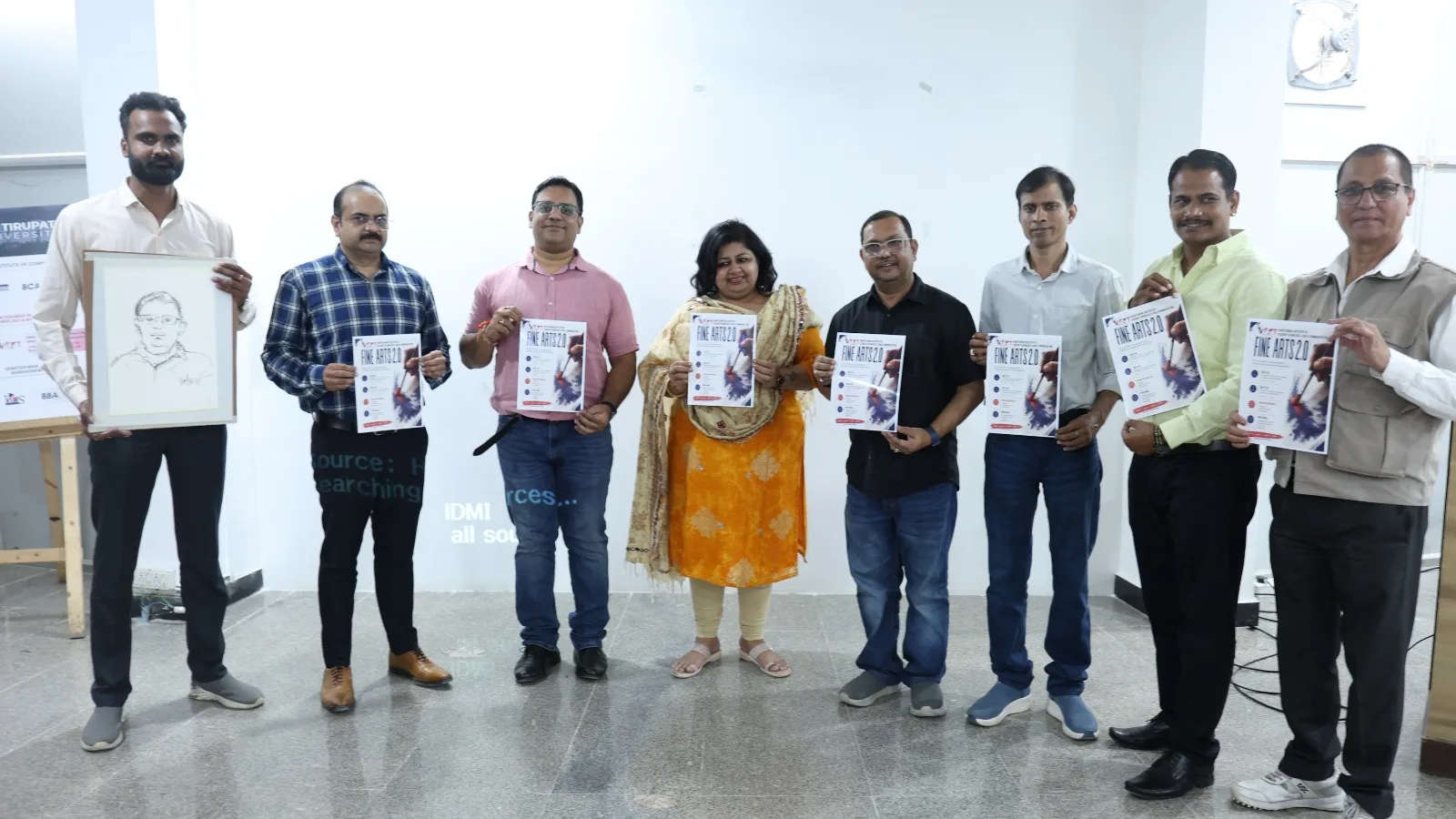
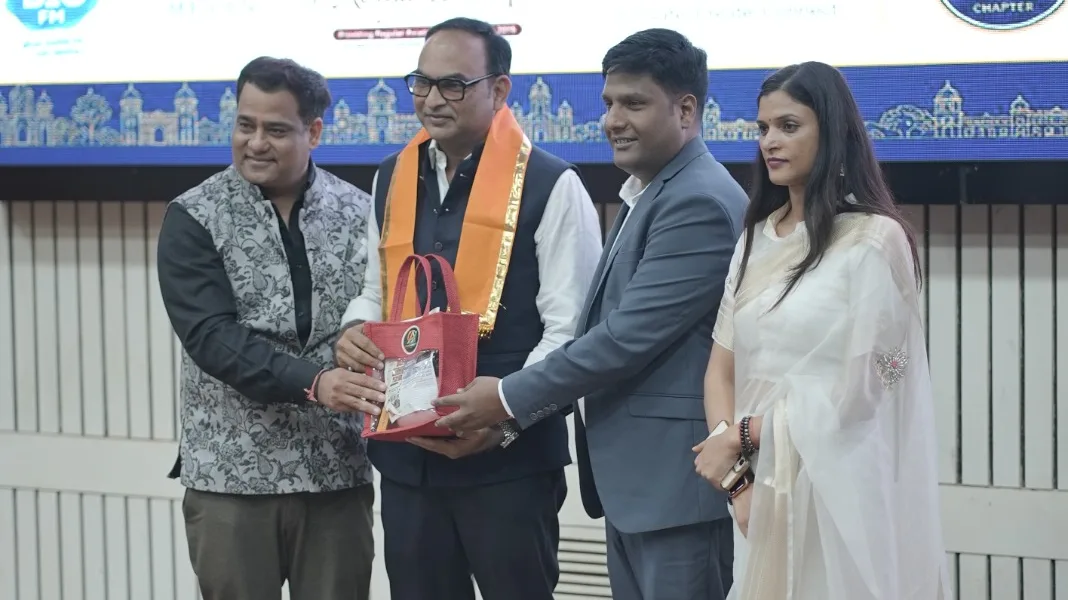
Udaipur: On the occasion of World Tourism Day, the Tourism and Hotel Management Programme of Mohanlal Sukhadia University (MLSU) and BCI Tourism jointly organised a special panel discussion on “Medical Tourism in Udaipur: Possibilities and Challenges.”
Experts from the medical, tourism, hospitality and education sectors discussed the potential of medical and wellness tourism in Udaipur, existing challenges and strategies for developing the sector in the future.
Prof. Hanuman Prasad emphasised the need for greater collaboration among medical colleges, hospitals, hotels and hospitality businesses and tourism institutions. He said educational institutions could play an important role in developing trained human resources for the sector. He also stressed that credibility, transparency, quality healthcare services and effective marketing would need to remain priorities for the growth of medical tourism.
He said Udaipur’s established tourism identity could be integrated with medical and wellness services to develop the city as a broader health-tourism destination.
At the inauguration, Prof. Meera Mathur said Udaipur has long been recognised as a major tourism destination, but changing trends require the development of new dimensions of tourism. Medical tourism is one such emerging sector that brings healthcare and tourism together.
She said the presence of reputed medical institutions, specialist doctors, modern technology, hotels and hospitality facilities, along with Udaipur’s natural and spiritual environment, creates opportunities for medical and wellness tourism. However, she noted that medical facilities alone are not sufficient. Patients and their families need a seamless experience covering treatment, transportation, accommodation, post-treatment care and wellness services.
During the panel discussion, Dr Anand Gupta said Udaipur has the potential to develop a significant medical tourism market because of its modern healthcare facilities, natural beauty, lakes, hospitality infrastructure and opportunities in wellness and spiritual tourism. He stressed the need for better coordination between the healthcare and tourism sectors.
The discussion also covered modern medical equipment, quality treatment and revenue models. The growing demand for services such as IVF, cancer treatment, fertility care and other specialised medical services was highlighted. Experts said the expanding capacity of medical education institutions and private hospitals could be linked with the development of medical tourism.
Dr Shraddha Gattani, President, BCI Tourism, spoke about tourism and connectivity-related aspects and highlighted the relationship between transportation facilities and wellness tourism. Vijaylaxmi emphasised the importance of transparency and goodwill. Experts noted that patient and family confidence is central to medical tourism, making transparent processes and reliable services essential.
Dr Rajiv Pandya discussed the future vision for medical tourism and said cultural and social aspects must also be considered alongside healthcare services. For international medical tourism, he said services should be developed keeping in mind the cultural requirements of patients from different countries.
Vijaylaxmi Glundia said medical tourism should not be restricted to treatment alone but should be integrated with wellness, healing and spiritual tourism. Udaipur’s natural and cultural identity can be combined with healthcare services to create a comprehensive experience for domestic and international visitors. She emphasised the need for effective branding, positioning and marketing strategies.
Dr Shilpa Kanthalia identified credibility as a key foundation of medical tourism and highlighted the need for developed infrastructure, multilingual translators and post-treatment facilities. Language assistance and after-care services can significantly improve convenience and confidence among international patients.
Yashvardhan Singh Ranawat highlighted post-treatment care as an important component of medical tourism. Experts said arrangements for stress management, wellness, comfort and rehabilitation after treatment could enhance the overall patient experience. Coordination among hospitals, hotels, travel agencies and other stakeholders would be important in this regard.
Dr Kunjun Acharya suggested that doctors should be viewed not only as healthcare providers but also as “wellness creators”, and discussed the broader opportunities in wellness tourism.
Gaurav Sharma highlighted India’s potential in health tourism, cost-effectiveness and the role of local and tribal communities. He also pointed to the growing use of advanced medical technologies such as robotic surgery in Udaipur as a positive opportunity for medical tourism. The discussion also emphasised linking domestic medical tourism with international healthcare travel and creating simple, patient-friendly policies.
Dr Arvind Singh Pemawat discussed the possibility of integrating Udaipur’s strong hospitality and wedding tourism identity with medical tourism. He said the city’s established luxury hospitality infrastructure could support medical tourism while creating new local employment opportunities.
The panel also discussed challenges facing medical tourism. Dr Ranu Nagori highlighted issues related to payment and insurance procedures, delays in government payments, transportation and connectivity, waiting times, procedural complexities for international patients and the need for adequate infrastructure.
Experts stressed that addressing these challenges would require strong partnerships among the government, hospitals, tourism industry, hotels and hospitality businesses and educational institutions.
Dr Bhuma Rathore said students of medical colleges, universities and hospitality institutions should be introduced to the emerging opportunities in medical tourism. This would help create trained human resources and build a skilled workforce connecting healthcare, tourism and hospitality.
Pushpendra Singh Rathore said medical tourism in Udaipur could become an important sector not only for expanding healthcare services but also for generating employment and supporting the hospitality, education, transportation and local economy. He stressed the need to work simultaneously on better infrastructure, reliable healthcare services, transparency, effective branding, simplified policies and stronger stakeholder coordination to develop the sector.