.png)
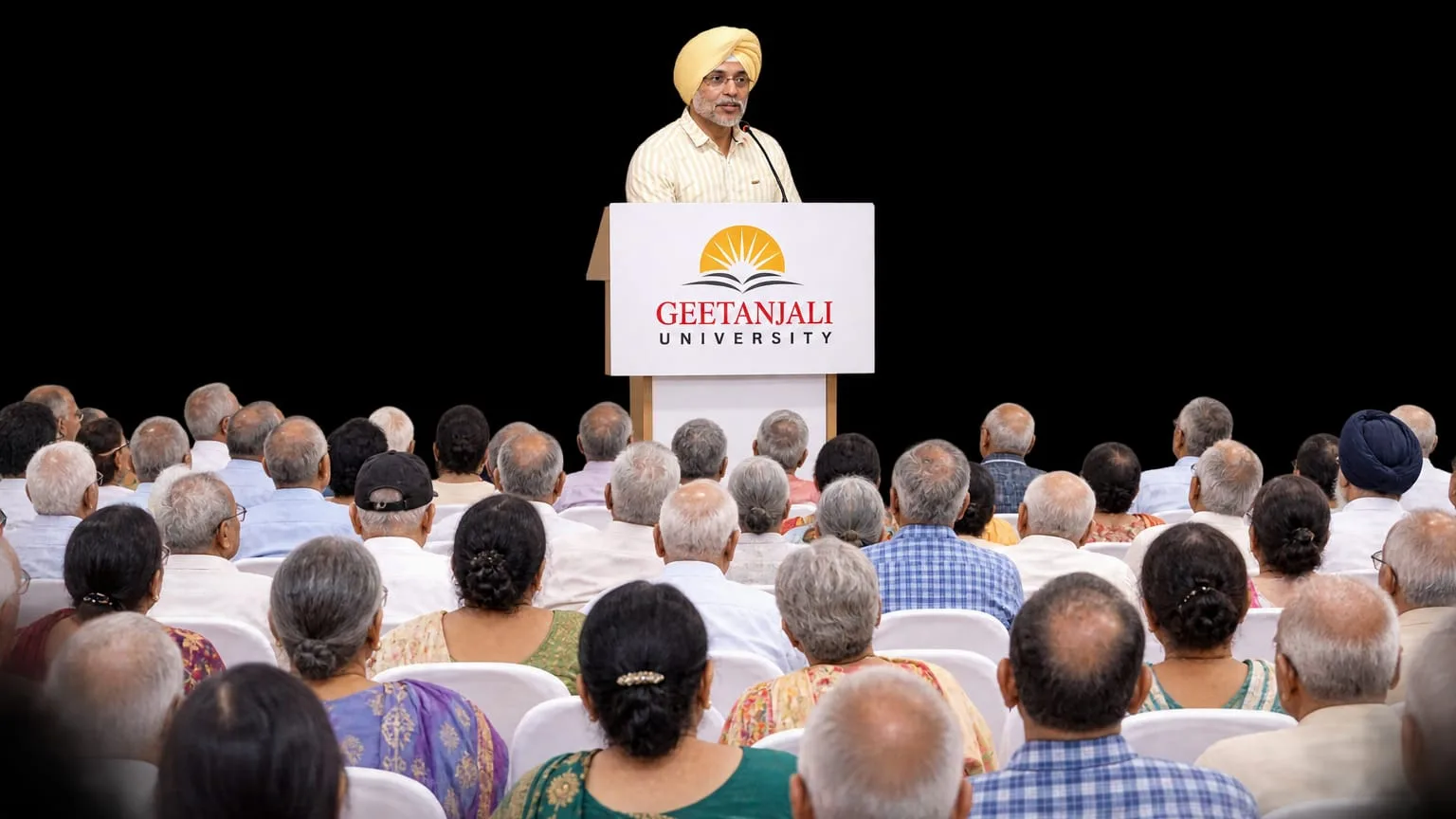
UDAIPUR — Knee and joint problems become increasingly common with age, but persistent pain, swelling, stiffness and difficulty walking or climbing stairs should not simply be considered a normal part of ageing, according to joint replacement specialist Dr. Harpreet Singh of Geetanjali Hospital.
Singh advised senior citizens to seek medical evaluation when knee symptoms persist or begin interfering with routine activities. Early medical consultation, regular exercise, maintaining a healthy weight and taking appropriate precautions during daily activities can help support joint health, he said.
"Persistent knee pain or difficulty in walking should not be ignored. Timely evaluation can help identify the underlying problem and determine the appropriate treatment," Singh said.
According to the specialist, treatment depends on the severity and cause of the knee problem. In many cases, medication, physiotherapy and other non-surgical measures may provide relief. However, when symptoms become severe and conservative treatment does not provide adequate relief, knee replacement may be considered based on the patient's condition and medical needs.
Singh said the decision to undergo knee replacement should be made after a detailed evaluation by an orthopedic specialist, taking into account the patient's symptoms, functional limitations and overall medical condition.
Robotic-assisted knee replacement available
Geetanjali Hospital also offers robotic-assisted knee replacement surgery. The technology is used to assist surgeons with preoperative planning and precision during the procedure, the hospital said.
The specialist advised senior citizens experiencing persistent knee or joint problems to consult a qualified doctor rather than continuing to live with pain or restricting their daily activities.
Regular physical activity, appropriate exercise and maintaining an active lifestyle can also form part of a joint-health routine, subject to an individual's medical condition and professional advice.