
.png)
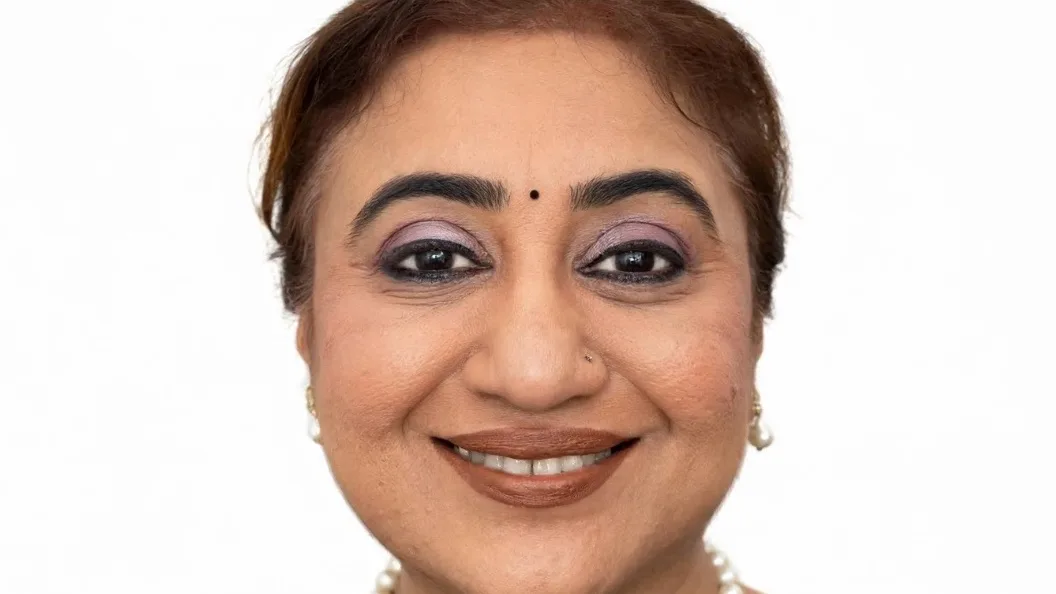
In the earlier decades, a deep and extreme sense of insecurity about daughters-in-law prevailed in Indian families. Within just a few days of the wedding, a strange silence and watchfulness would settle over the house. The mother-in-law, sister-in-law, and even the elders all carried the same fear in their minds — “The daughter-in-law will snatch the son away” and “The daughter-in-law will break the home.” This was not merely a matter of individual temperament. It was the direct result of the social, economic, and psychological structure of that time.Why was the insecurity so deep?The biggest reason was the joint family system and the complete economic and emotional dependence on the son. In those days, most families lived jointly. The son was considered the main breadwinner and the support for old age. A mother’s entire existence, identity, and security were tied to her son. When a new girl entered the house, she was not just a daughter-in-law — she appeared as a “rival” who could pull the son’s time, affection, and decisions towards herself. This fear was real because women had very few economic resources of their own. Becoming a widow or the son moving away often meant economic hardship and social insecurity.The second major reason was cultural conditioning. Generation after generation was taught that “the daughter-in-law breaks the home.” Folktales, films, television serials, and everyday conversations always portrayed the mother-in-law–daughter-in-law relationship as full of conflict. Girls were taught from a young age that they would have to “make their place” in the in-laws’ house, while the mothers-in-law of that time had themselves been kept under complete control by their own mothers-in-law. They were never allowed to live according to their own will. As soon as they became mothers-in-law, they began behaving in the same way. In this entire atmosphere, suspicion replaced trust, and fear and control replaced love.The third reason was the lack of proper education and experience. In the 1970s–90s, most women’s world was confined within the four walls of the home. Ideas of the outside world, personal freedom, or equality rarely reached them. In such a situation, “control” began to seem like the only way to feel secure. Mothers-in-law often did exactly what had been done to them — they too had once been daughters-in-law and had suffered the same insecurity. It was a vicious cycle.Why did the new generation of mothers-in-law change?Around 2015, a clear shift began to appear in Indian society. The girls who had grown up in the late 1980s and 1990s were now becoming mothers-in-law themselves. These new mothers-in-law were different from the previous generation in many ways.They had experienced education, jobs, and economic independence. Many had worked themselves, made their own decisions, and understood the importance of equal partnership with their husbands. They knew that a son is not “snatched away” — he chooses his life partner. They also understood that it is not the daughter-in-law who “breaks the home,” but insecurity, distrust, and a controlling mindset that destroy it.Social media, growing awareness, and the rise of nuclear families also changed thinking. Daughters-in-law were no longer just “the bahu of the house” — they were professionals, mothers, partners, and independent individuals. New mothers-in-law often preferred to see themselves as a “friend” or “guide” rather than a controller. They knew that if the daughter-in-law felt happy and secure, the entire family would grow stronger.What actually changedThe change is not merely personal; it is structural. When women become economically capable, when families move from joint to nuclear setups, and when equal responsibility of both the son and the daughter-in-law is accepted — insecurity decreases. The mothers-in-law of the older generation were not wrong; they were products of the circumstances of their time. The new generation of mothers-in-law are not right simply because they are “modern” — they are different because they have lived different experiences.Even today, the old mentality still exists in many homes. But the direction is clear — where earlier there was the fear that “the daughter-in-law will break the home,” now many families have begun to understand that a home breaks only when there is no place left for trust in it.In the end, it can be said that the mother-in-law–daughter-in-law relationship has never been easy. But at least now we have started to understand that nothing is more dangerous than insecurity. When a mother begins to see her son as an adult individual rather than “hers,” and starts regarding the daughter-in-law as a member of the family rather than a “rival” — only then does the home truly become strong.Here I would like to add one more thing: it is very important for husbands to maintain balance. Making private matters public and allowing relatives or friends excessive interference in household affairs has also been a big mistake of the older generation. No outsider should interfere in the private fights between husband and wife. Mutual understanding comes through conversation. There was also a prejudice that “a woman’s intelligence lies in her knees,” because of which many families did not respect the women of their own house. The same mentality existed among other members of the family as well.Today I myself am a mother-in-law, and it gives me great joy to say that a daughter has come into my home whom I love even more than my own son. Her behaviour is very important in this, and so is my trust in her. My son has never made unnecessary complaints and has never allowed any lack of respect towards her. If one wants to keep love alive in the family, then give respect to everyone and treat the daughter-in-law as a member of the house — not as some alien who has come from outside to take over your home.Ritu Sodhi
India
Why were the old mothers-in-law so afraid? Why aren’t the new ones?
Was it the daughter-in-law who broke the home, or the mother-in-law… or was it just a fear?
Related stories
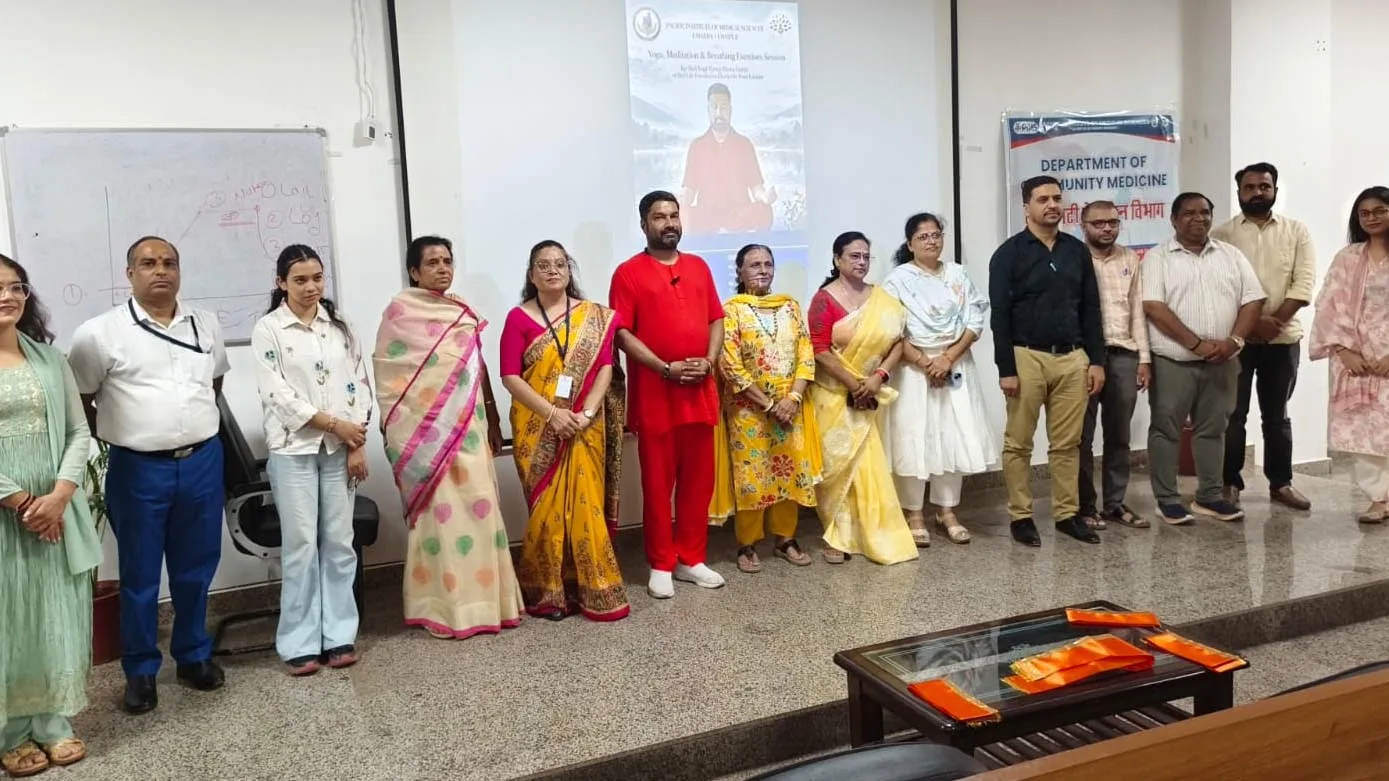
Pacific Institute of Medical Sciences Hosts Yoga, Meditation and Pranayama Session
Udaipur: The Pacific Institute of Medical Sciences (PIMS), Umarda, organised a special session on yoga, medit…

International Oil Companies (IOCs) Call for Regulatory Interventions to Streamline Upstream Investment in South Africa
CAPE TOWN -- International oil companies active in South Africa have called for government intervention t…

OPEC Puts Africa’s Refining Investment Need at $125 Billion Through 2050
CAPE TOWN -- Africa will need at least $125 billion in refining investment through 2050 across current pr…

Uganda Reaffirms First Oil Timeline, Eyes Refinery Completion by 2030
CAPE TOWN -- Uganda is on track to begin commercial oil production by June 2027, with first exports to fo…