
.png)
JAIPUR, The Congress on Friday unveiled its “Urban Sankalp” (Urban Manifesto) for Rajasthan’s municipal elections, promising to revive the ₹500 property title scheme, launch free door-to-door waste collection, recruit sanitation workers and improve transparency in urban governance if voted to power. Releasing the manifesto at the PCC War Room, Rajasthan Congress president Govind Singh Dotasra said the party wanted to make the civic elections a contest over the BJP government’s urban performance rather than a battle confined to wards and candidates. ₹500 Property Titles Return Dotasra announced that Congress would restore the previous government’s scheme allowing urban residents to obtain residential property titles for just ₹500. The party also pledged to accelerate the regularisation of informal settlements through a statewide campaign. Congress Targets BJP Over Civic Governance Launching a broad attack on the state government, Dotasra alleged that municipal elections were held only after High Court intervention and accused the BJP of irregularities in delimitation and reservation. He claimed ward populations varied widely, questioned the simultaneous reservation lottery for municipal bodies and argued that the process had disadvantaged SC and ST representation in mayoral posts. Jaipur Becomes Congress’s Urban Case Study Using Jaipur as an example, Dotasra said deteriorating roads, traffic congestion, garbage management and stray cattle reflected the BJP’s failure to govern cities effectively despite its long tenure in the municipal corporation. He also criticised delays in civic recruitment, inadequate street lighting and rising costs associated with the Jaipur Metro’s revised development plans. Youth-Centric Candidate Strategy The Congress also highlighted its candidate selection strategy, saying nearly half of its nominees are under 40 years of age. The party claimed significant representation for OBC, SC, ST and women candidates, presenting the ticket distribution as an effort to balance youth and social diversity. Key Promises in Congress’s Urban Manifesto ₹500 property titles through a citywide regularisation drive. Review of Urban Development Tax (UD Tax) to make it more citizen-friendly. Annual recruitment of sanitation workers based on municipal requirements. Free door-to-door waste collection with daily monitoring. Expansion of sewerage, drainage networks and STPs in underserved areas. Citizen-driven master plans for cities without approved urban plans. Upgraded street lighting with stronger LED infrastructure. Online transparency, allowing residents to track civic projects and applications. Priority investment in urban infrastructure, including roads, drainage and essential public services. With the Urban Sankalp, Congress is attempting to position the municipal elections as a referendum on city governance, offering a development-focused alternative to the BJP’s civic administration. What is this?
Lakecity Headlines
Congress Unveils Urban Manifesto, Promises ₹500 Property Titles if Elected
Dotasra shifts civic poll campaign from ward politics to an urban governance agenda

Related stories

KFC is Zambia: More investment, more restaurants, everyday choice
CAPE TOWN -- KFC is bringing new investment to Zambia, with more locations, world-class operational exper…

NeonRatri 5.0 Blends Garba Grandeur with a Mission for Education
Udaipur: The vibrant beats of Garba and Dandiya came together with a meaningful social cause at NeonRatri 5.0…

Dussehra Shopping Bonanza at Alankar Jewellers
Udaipur: The festive spirit of Dussehra brought a surge of shoppers to Alankar Jewellers in Udaipur, where cu…
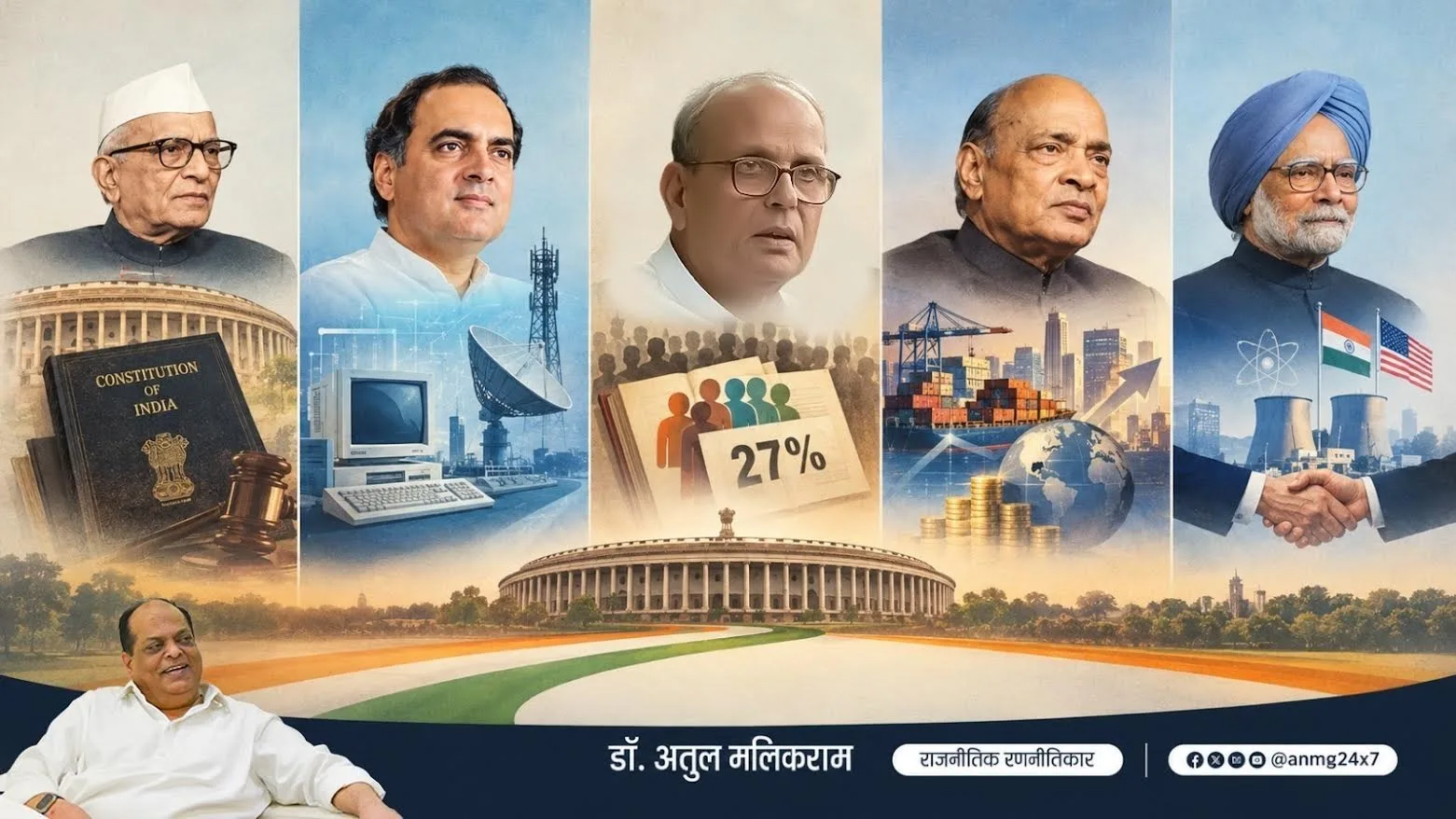
Five Prime Ministers Who Shaped India's Destiny Through Historic Decisions
The Emergency imposed in India from June 25, 1975, to March 21, 1977, remains a defining chapter in the count…