
.png)
Mumbai: Thirty years ago, Sanjay Leela Bhansali began his journey as a director with Khamoshi: The Musical. Over three decades, he has developed a distinctive cinematic language built around love, sacrifice, ambition, music, visual grandeur and emotionally complex characters. Bhansali’s films have created worlds that are both spectacular and deeply emotional. Music has often been woven into the narrative, costumes have become extensions of characters and elaborate production design has complemented stories driven by human emotions. As Bhansali completes 30 years in filmmaking, six films stand out as defining chapters in his remarkable journey. Hum Dil De Chuke Sanam Starring Salman Khan, Aishwarya Rai Bachchan and Ajay Devgn, Hum Dil De Chuke Sanam remains one of Bhansali’s most memorable explorations of love, relationships and sacrifice. Set against a vibrant cultural backdrop, the film brought together romance, family, tradition and heartbreak. Its colours, music and elaborate visual style were balanced by an emotional story about understanding the meaning of love. The film also demonstrated Bhansali’s ability to use music as an integral part of storytelling, with songs reflecting the emotional journeys of the characters. Devdas With Devdas, Bhansali transformed one of Indian literature’s most celebrated tragic love stories into a spectacular cinematic experience. Shah Rukh Khan, Aishwarya Rai Bachchan and Madhuri Dixit brought emotional depth to the doomed romance, while Bhansali created an elaborate world through massive sets, costumes, music and choreography. Yet, the film’s appeal went beyond visual extravagance. Its grand frames were driven by the emotional turmoil of its characters, establishing Bhansali’s ability to turn heartbreak into visual poetry. Black Black marked a significant departure from Bhansali’s traditionally lavish visual style. The film explored the relationship between Michelle, a young deafblind girl, and Debraj, her teacher, played by Rani Mukerji and Amitabh Bachchan. The story focused on education, courage, communication and the human spirit. Through its restrained visual treatment and intimate emotional moments, Black demonstrated that Bhansali’s storytelling did not depend solely on scale and spectacle. Goliyon Ki Raasleela Ram-Leela With Goliyon Ki Raasleela Ram-Leela, Bhansali returned to romance with renewed energy. Set against the backdrop of Gujarat, the film blended a Shakespeare-inspired love story with colour, music, rivalry and passion. Ranveer Singh and Deepika Padukone brought a striking chemistry to the screen, while Bhansali created a world where love and conflict existed side by side. The film also marked the beginning of one of Bhansali’s most prominent actor-director collaborations and reinforced his ability to make romance feel larger than life while retaining an emotional core. Bajirao Mastani Bhansali turned to history with Bajirao Mastani, exploring love caught between duty, power, social expectations and tradition. Ranveer Singh, Deepika Padukone and Priyanka Chopra Jonas portrayed characters facing difficult choices in the world of the Maratha empire. The film showcased Bhansali at his most ambitious, with elaborate sets, costumes, music and choreography. At its heart, however, was a deeply personal story about an individual divided between love and responsibility. Padmaavat With Padmaavat, Bhansali created another sweeping historical drama centred on the legendary figure of Rani Padmavati. Deepika Padukone, Shahid Kapoor and Ranveer Singh led the visually elaborate narrative, which brought together themes of courage, honour, power and passion. From production design and costumes to music and large-scale sequences, the film reflected Bhansali’s command over cinematic spectacle. At its centre was a powerful female character whose story drove the film’s exploration of courage, honour and strength. A distinctive cinematic legacy From Khamoshi: The Musical to his later historical epics, Sanjay Leela Bhansali’s 30-year journey has been defined by a consistent visual language and an unmistakable approach to music and emotion. Hum Dil De Chuke Sanam, Devdas, Black, Goliyon Ki Raasleela Ram-Leela, Bajirao Mastani and Padmaavat represent six important milestones in that journey, showcasing his evolving treatment of love, sacrifice, conflict, history and human resilience. Together, these films illustrate why Bhansali has developed one of the most recognisable cinematic signatures in contemporary Indian cinema.
Glamour world
Sanjay Leela Bhansali’s 30 Years: Six Films That Shaped His Extraordinary Legacy
From Hum Dil De Chuke Sanam to Padmaavat, these six films established Bhansali’s distinctive cinematic identity

Related stories
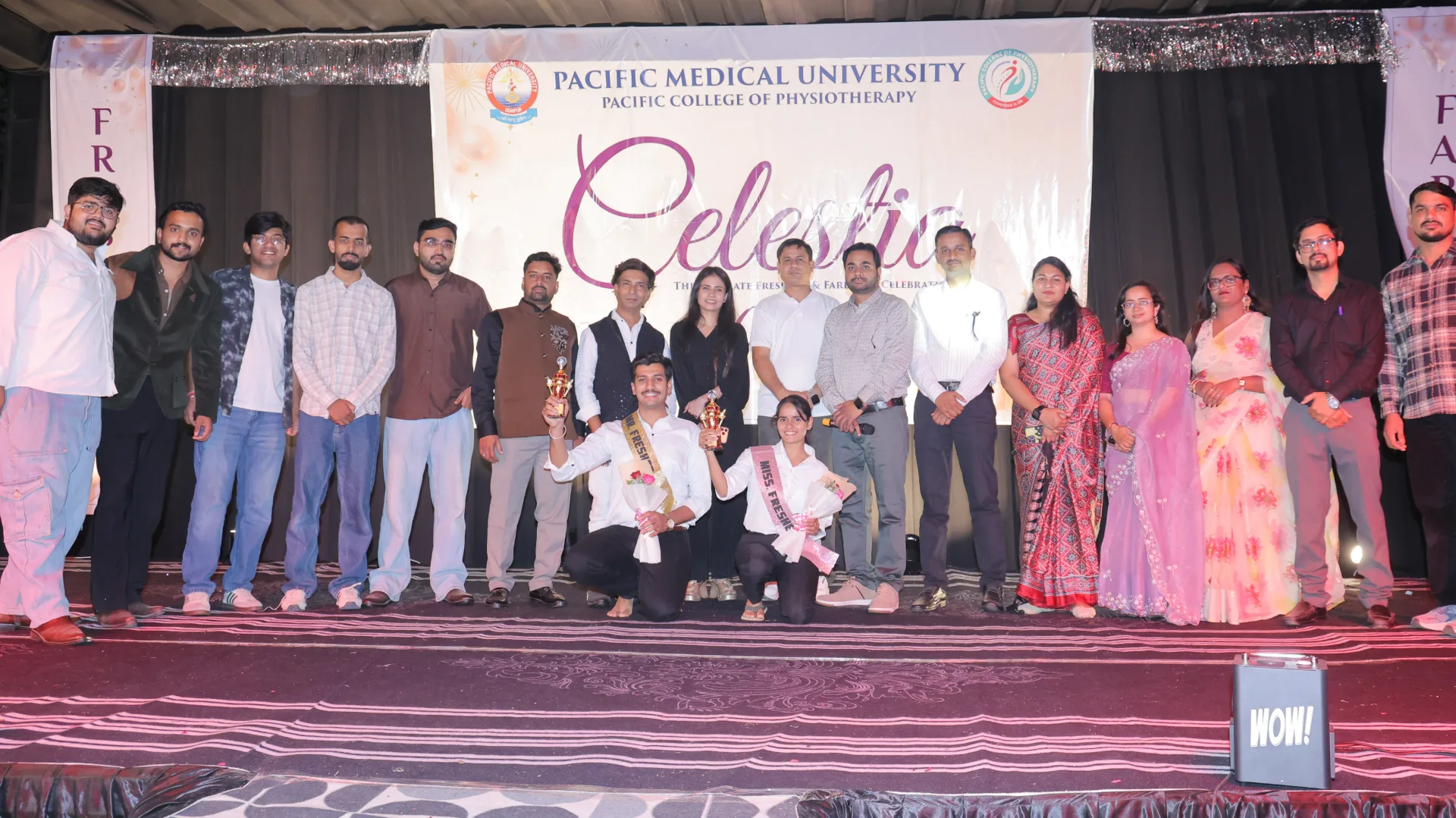
Pacific College of Physiotherapy Hosts Freshers’ and Farewell Party
Udaipur: Pacific College of Physiotherapy, Pacific Medical University, organised a Freshers’ and Farewell Par…

Maharana Mewar Public School Ranks Ninth Nationally, Third in Rajasthan in EWISR 2026
Udaipur: Maharana Mewar Public School, located at the City Palace in Udaipur, has secured the ninth position…

Algeria Energy Minister Brings Regional Power Expertise to MSGBC 2026
DAKAR -- Algeria’s Minister of Energy and Renewable Energies Mourad Adjal will participate as a speaker a…

$17B in Commitments and New Deals Drive African Energy Investment
CAPE TOWN -- African Energy Week (AEW) 2026 concluded in Cape Town after five days of dealmaking, licensi…