
.png)
Udaipur: Dr. Sanjay Sinha, President & Vice Chancellor, Sir Padampat Singhania University (SPSU), is bringing his experience of 26 years in the Indian Army and 12 years in the corporate sector to shape a new approach to higher education, with a strong emphasis on leadership, discipline, industry readiness, innovation and ethical values. In an interaction, Dr. Sinha said his military experience has significantly influenced his approach to leading an academic institution. According to him, the Army's leadership model is based on continuously developing leaders at different levels through education, training and practical experience. “Whether it is the battlefield, counter-insurgency, corporate management or running an academic institution, leadership, planning and execution remain central,” Dr. Sinha said. Dr. Sinha served in challenging operational environments, including counter-terrorism assignments in Punjab, Kashmir and Nagaland. He said that although the environment of the military and education sectors is different, the principles of leadership, organisation, planning and execution remain relevant to both. He said he views running a university as an organised operation in which academics, administration, curriculum development, student welfare and industry engagement have to work together towards a clearly defined mission. Industry Requirements to Shape Curriculum A major focus under Dr. Sinha's leadership is to make students industry-ready by aligning academic programmes with the requirements of employers. He said universities need to engage directly with industry and understand what kind of skills and competencies companies require before designing or updating their curricula. SPSU is therefore looking at requirements across sectors including artificial intelligence, cybersecurity, law, mining, cement technology, paint technology, food technology, biotechnology and other emerging fields. “The objective is to ensure that what students learn in the classroom is relevant to what industry actually needs,” he said. Dr. Sinha broadly sees three pathways for students after graduation — higher education, employment and entrepreneurship. Students interested in entrepreneurship are being encouraged through incubation, ideation and centres of excellence, while those seeking employment are being prepared according to sector-specific requirements. Students wishing to pursue higher studies are being encouraged to continue towards master's and doctoral programmes. Education Beyond Employment For Dr. Sinha, the ultimate objective of education goes beyond securing a job. He believes universities must produce responsible citizens and good human beings along with academically and professionally competent graduates. He stressed the need to revive the importance of moral and ethical education, saying that academic and intellectual development must go hand in hand with values, sensitivity and social responsibility. “Education should not merely be a means of earning a livelihood. It should become a way of life and a process of lifelong learning,” he said. Focus on Emerging Technology SPSU is strengthening its focus on emerging areas such as artificial intelligence, machine learning, robotics, cybersecurity, Internet of Things, semiconductor technology, paint technology, food technology, bioinformatics and computational biology. Dr. Sinha said universities should closely observe where governments and industries are investing because such sectors are likely to create future employment opportunities. He identified semiconductors, space technology, infrastructure and medical tourism among areas with strong growth potential. While predicting the exact nature of technology two decades from now may be difficult, he said the immediate direction is visible through developments in AI, agentic AI, robotics, autonomous systems and driverless technologies. From Patents to Commercialisation Dr. Sinha also highlighted SPSU's efforts to strengthen research, innovation and patent development. He noted that one of the university's professors has more than 100 patents, while several other faculty members have also made significant contributions to research and innovation. However, he pointed out that securing a patent is only the first stage. Taking an innovation from the laboratory to commercialisation requires funding, industry partnerships and institutional support. To facilitate this process, SPSU has created platforms such as SPSU Foundry and is working to connect promising projects with government funding agencies and other support mechanisms. Among the projects being pursued is a reusable ship-launched drone being developed by a student. Dr. Sinha said the university has submitted a project proposal seeking substantial funding through relevant government platforms. Another initiative involves the development of a robotic arm for construction applications with support from JK Cement. The project also explores cement-based 3D printing technology for construction. Interdisciplinary Research and Global Collaboration Dr. Sinha said modern innovation increasingly depends on collaboration between multiple disciplines. A robotics project, for example, may require expertise in mechanical engineering, artificial intelligence, computer science, electronics and civil engineering. SPSU is therefore encouraging faculty and students from different disciplines to work together. The university is also strengthening international academic collaborations with institutions in countries including Vietnam, Thailand, Singapore, the United States and Japan. Dr. Sinha said these collaborations are being developed around specific areas of academic and research strength rather than simply replicating entire programmes. Creating an Innovation Mindset Among Students Another priority is to involve students directly in research projects led by experienced faculty members. Dr. Sinha said several SPSU faculty members have achieved recognition among leading scientists globally. The university aims to involve groups of students in research projects so that they develop an innovation and problem-solving mindset at an early stage. He said successful innovation requires collaboration not only within the university but also with IITs, research institutions, industry and international academic partners. A Stronger Push for a Drug-Free Campus Dr. Sinha also expressed concern over increasing substance abuse among young people and said universities must play a proactive role in addressing the problem. Referring to the growing challenge, he said, “It is no longer only ‘Udta Punjab’; it has become ‘Udta Bharat’.” He said SPSU has conducted awareness programmes and expert sessions following the government's call for a drug-free India. However, he stressed that checks at university gates, hostels and other points alone cannot solve the problem. According to Dr. Sinha, prevention must begin with education, awareness, counselling, healthy engagement and the development of emotional resilience among students. The university promotes participation in football, cricket, tennis, basketball, table tennis and other sporting activities. Students are also encouraged to participate in ideathons, hackathons, debates, competitions and other creative programmes. Purposeful Use of Technology and Social Media Dr. Sinha said students should learn to use technology and social media with purpose rather than being completely disconnected from them. He said a student researching a subject such as rocket technology through digital platforms could spend considerable time online, provided the activity was directed towards learning. The objective, he said, is to develop a sense of purpose and direction among young people. The university also conducts sessions on stress management, time management, leadership and counselling to help students deal with academic and personal challenges. Student Feedback at the Centre of Improvement SPSU also uses structured student feedback to identify areas for improvement. Dr. Sinha said more than 6,000 students participated in the university's previous comprehensive feedback exercise conducted through digital platforms. The feedback is analysed and discussed at the leadership level before corrective measures are introduced. Dr. Sinha said his objective is to build a university environment where students are academically strong, industry-ready, innovative, physically active, ethically grounded and socially responsible. With his extensive experience in the armed forces, corporate sector and academia, Dr. Sanjay Sinha, President & Vice Chancellor, SPSU, said the discipline and leadership principles learned during his career would continue to guide his efforts to take SPSU towards its next phase of growth.
Lakecity Headlines
Dr. Sanjay Sinha Brings Army Discipline to SPSU’s Education Vision
Industry-ready education, ethical values, innovation and student well-being emerge as key priorities

Related stories

KFC is Zambia: More investment, more restaurants, everyday choice
CAPE TOWN -- KFC is bringing new investment to Zambia, with more locations, world-class operational exper…

NeonRatri 5.0 Blends Garba Grandeur with a Mission for Education
Udaipur: The vibrant beats of Garba and Dandiya came together with a meaningful social cause at NeonRatri 5.0…
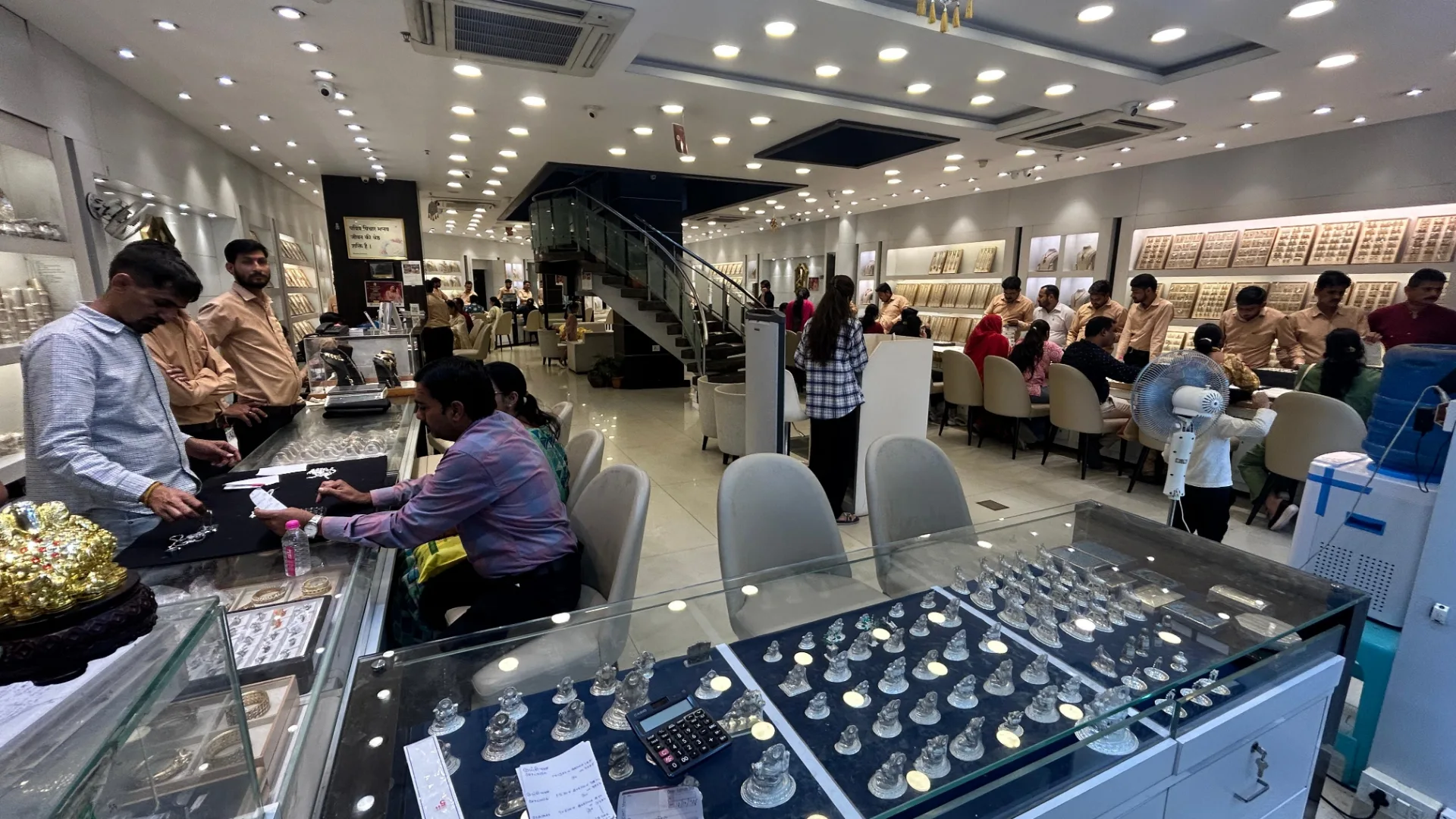
Dussehra Shopping Bonanza at Alankar Jewellers
Udaipur: The festive spirit of Dussehra brought a surge of shoppers to Alankar Jewellers in Udaipur, where cu…
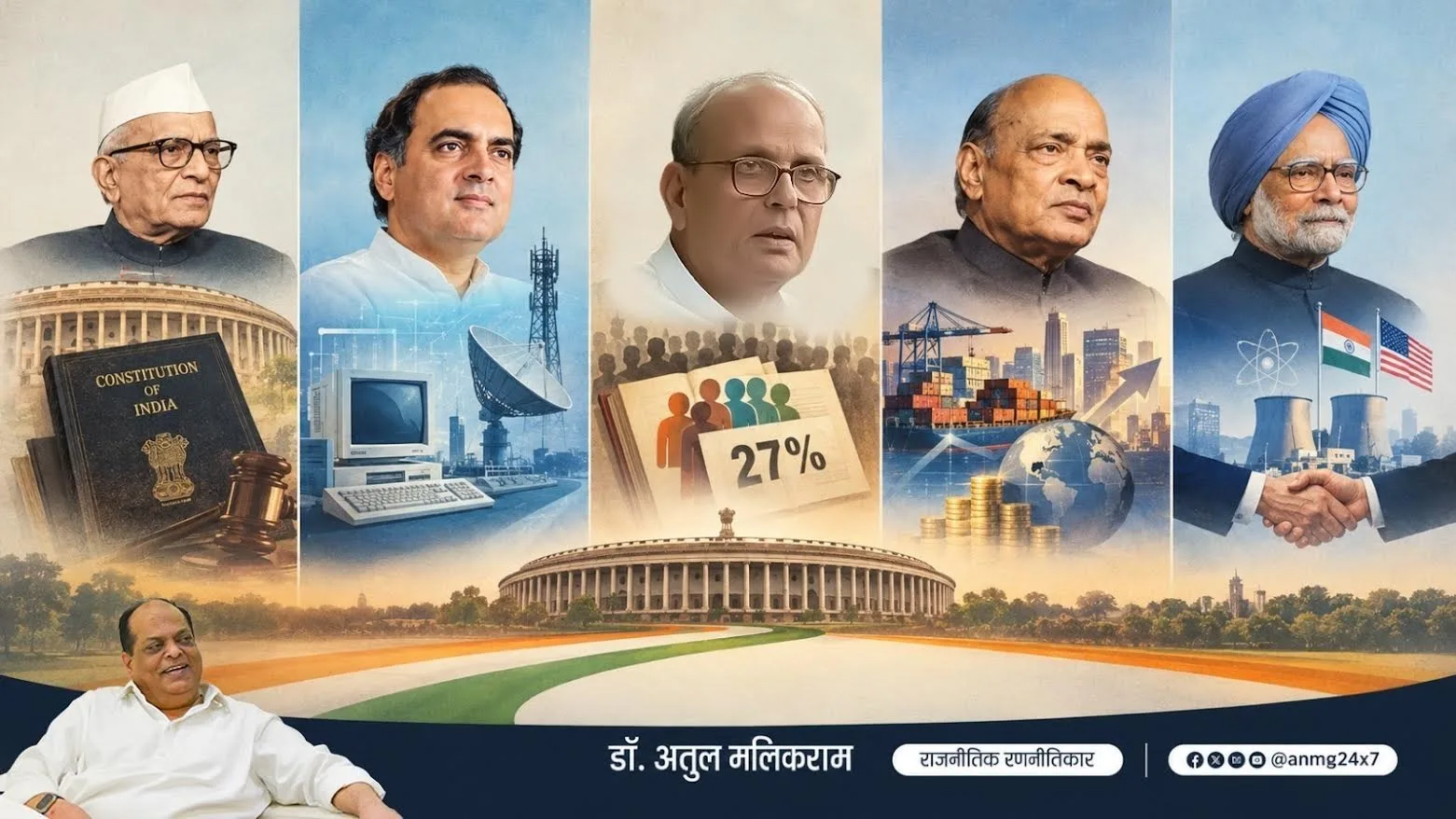
Five Prime Ministers Who Shaped India's Destiny Through Historic Decisions
The Emergency imposed in India from June 25, 1975, to March 21, 1977, remains a defining chapter in the count…