.png)
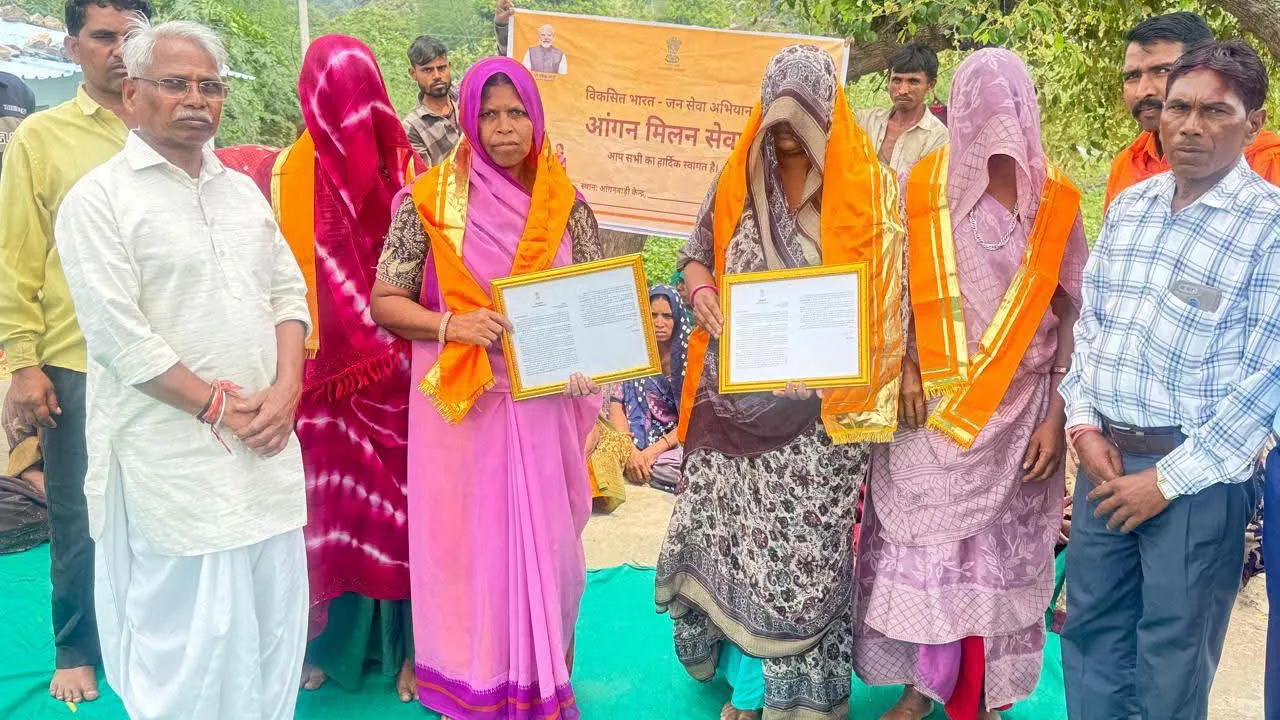
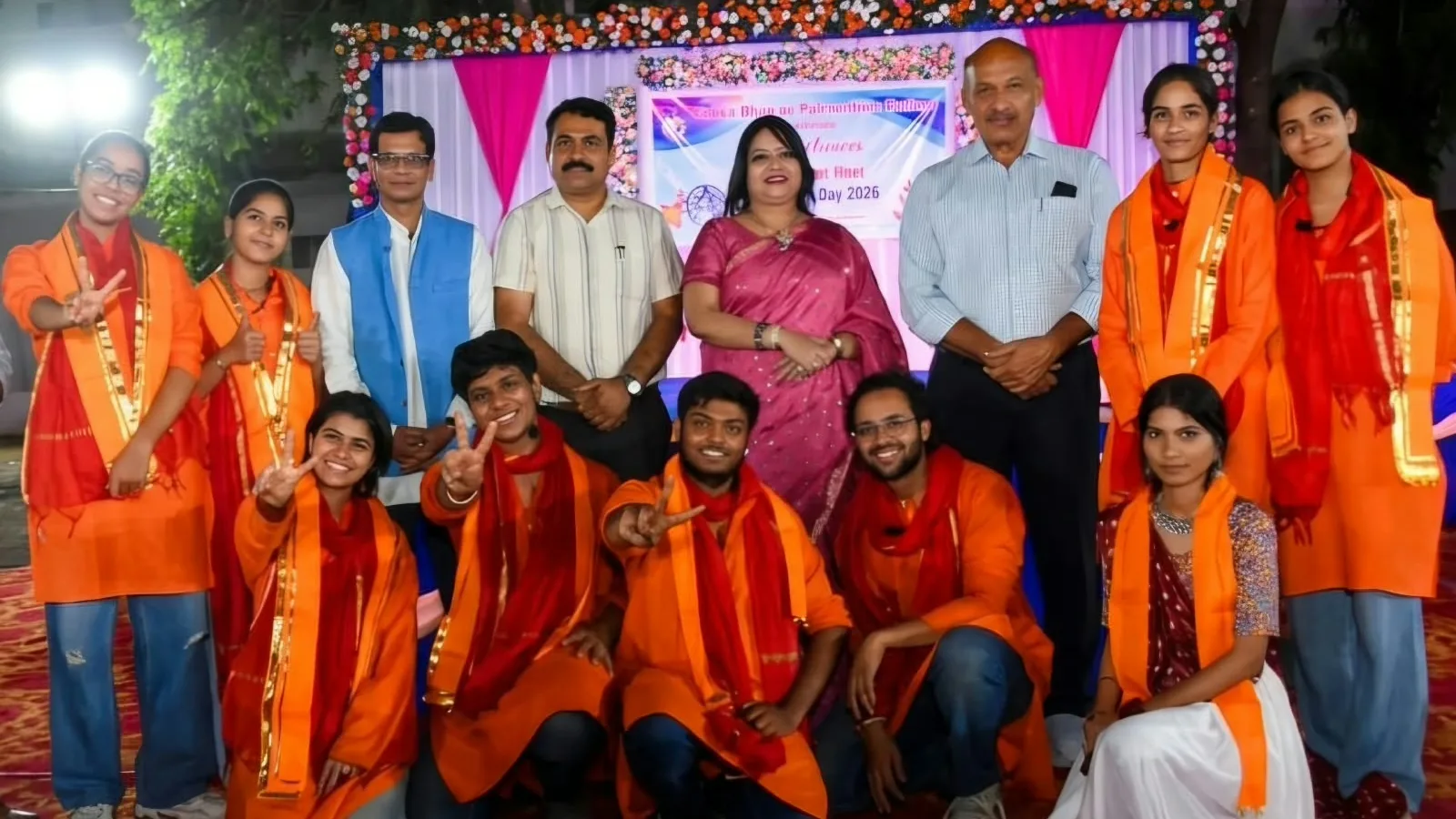
Udaipur: The three-day Angan Seva Milan programme, organised under the Viksit Bharat–Jan Seva Abhiyan, concluded on Sunday. On the third and final day, programmes were held at more than 800 remaining Anganwadi centres across the district. Tribal Area Development Minister Babulal Kharadi participated in the programme organised at Dhedmariya Gram Panchayat in the Jhadol Assembly constituency.
Minister Kharadi interacted with children, beneficiary families and Anganwadi workers. He distributed nutrition boxes to children and performed the traditional god bharai ceremony for pregnant women, extending his best wishes to them. Anganwadi workers and ASHA Sahyoginis were also felicitated on the occasion.
Kharadi said the state government is committed to making Anganwadi centres hubs of service, values and empowerment, while giving priority to maternal and child health, nutrition and the overall development of children.
Meanwhile, Angan Milan programmes were organised enthusiastically at 36 Anganwadi centres, including those in Machla Magra, Tekri, Roshan Nagar and Indira Colony. Ward councillors attended the programmes as chief guests. Child Development Project Officer Rajesh Sharma and Women Supervisor Sharda Bansiwal highlighted the importance of Anganwadi centres. Seema Jagan and Jaya Veerwal provided detailed information about nutrition, healthcare and services available through Anganwadi centres. Anganwadi workers and helpers participated actively in the programmes.
Deputy Director of the Women and Child Development Department Nandlal Meghwal said that various activities were organised at all 2,394 Anganwadi centres across the district from September 25 to 27 under the Angan Milan Seva programme. All Anganwadi workers and helpers were felicitated during the programme.
As part of the Poshan Maah activities, events including Annaprashan, God Bharai and Praveshotsav were organised at Anganwadi centres. Personnel from various departments working at the gram panchayat level—including health, education, Panchayati Raj, revenue and agriculture—participated in the programme along with school teachers and students, women from Rajeevika self-help groups, Poshan Sakhis and members of the public.
The programme also featured activities such as rangoli and painting competitions, storytelling and poetry recitation, interaction with beneficiaries and sharing of experiences, information about government schemes and registration of new beneficiaries.