
.png)
*Lok Sabha Speaker Om Birla chaired a workshop organized on the sidelines of the 68th Conference of the Commonwealth Parliamentary Association (CPA) in Barbados*
*Lok Sabha Speaker urges promotion of responsible and ethical use of AI*
*In the near future, with the help of real-time AI translation systems like "Sansad Bhashini," every Member of Parliament will be able to communicate in their own language*
Gopendra Nath Bhatt
Bridgetown (Barbados)/New Delhi, October 9, 2025.
Lok Sabha Speaker Om Birla urged parliamentarians from Commonwealth countries to promote the judicious and ethical use of Artificial Intelligence (AI) by making appropriate use of technology and addressing the digital divide.
Chairing a workshop on "Leveraging Technology: Empowering Democracy through Digital Transformation and Bridging the Digital Divide" during the 68th Commonwealth Parliamentary Association (CPA) Conference held in Bridgetown, Barbados, Birla said that through mutual collaboration and knowledge sharing, it can be ensured that technology serves as a bridge rather than a barrier.
Om Birla said that under the visionary leadership of Prime Minister Narendra Modi, India has achieved world-class achievements in the digital sector. He further stated that affordable and accessible digital public infrastructure has been developed for 1.4 billion citizens, transforming both the governance system and the economy.
Speaking about India's "AI Mission"—AI for All and AI for Good—he said that this initiative reflects Prime Minister Narendra Modi's visionary thinking. He views AI not merely as technological advancement, but as an effective tool for citizen empowerment and transparent governance. Speaking about the rapid development of India's digital infrastructure, he said that 5G is rapidly expanding in the country, and India has become the second largest 5G market in the world. Furthermore, efforts are actively underway to develop 6G.
Speaking about the digital payments revolution in India, Mr. Birla said that the Unified Payments Interface (UPI) has made digital payments a mass movement. Additionally, the government is providing free AI-related training to one million citizens, promoting awareness and innovation in AI at the grassroots level. He further stated that these initiatives have made digital connectivity affordable, inclusive, and people-centric.
Birla highlighted that AI-based digital systems are making India's parliamentary processes more effective and inclusive. He informed the delegates that systems such as AI-based translation, AI-enabled e-library, and speech-to-text reporting are making parliamentary processes more successful and inclusive. Speaking about upcoming digital initiatives, Birla said that in the near future, real-time AI translation systems like "Sansad Bhashini" will help each Member of Parliament communicate in their own language, which will be a major achievement for democracy in a diverse country like India.
Birla mentioned various digital innovations implemented in the Indian Parliament and said that under the "Digital Parliament" initiative, the Indian Parliament has developed an integrated digital ecosystem that connects MPs, ministries, and citizens through a single digital platform.
In his address, he stated that the development of technology and the use of e-Parliament have brought about massive changes in the functioning of our parliamentary democracy. He noted that the e-Parliament initiative is playing a vital role in promoting e-democracy, thereby increasing citizen participation in democracy. He said that democracy becomes stronger when the citizens of the country are deeply connected to their Parliament. He emphasized that technology plays a vital role in strengthening this connection. In this context, he noted that the Indian Parliament's journey from the traditional parliamentary system to an e-Parliament has been unprecedented in terms of its reach, functionality, and responsiveness to public aspirations. He emphasized that this transition marks a major advance in democratic governance, effectively harnessing the potential of technology to strengthen legislative processes and promote greater citizen participation.
India
68th CPA Conference in Bridgetown, Barbados

Related stories
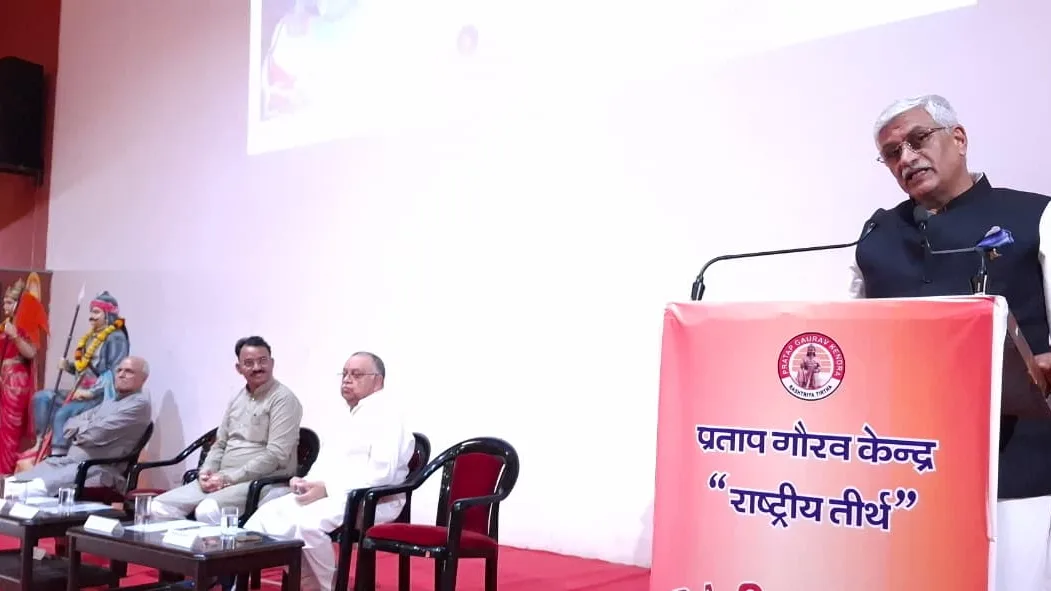
Need to Connect the New Generation with the Legacy of Haldighati and Dewair: Union Minister Shekhawat
Udaipur: Union Minister for Culture and Tourism Gajendra Singh Shekhawat said that the younger generation mus…
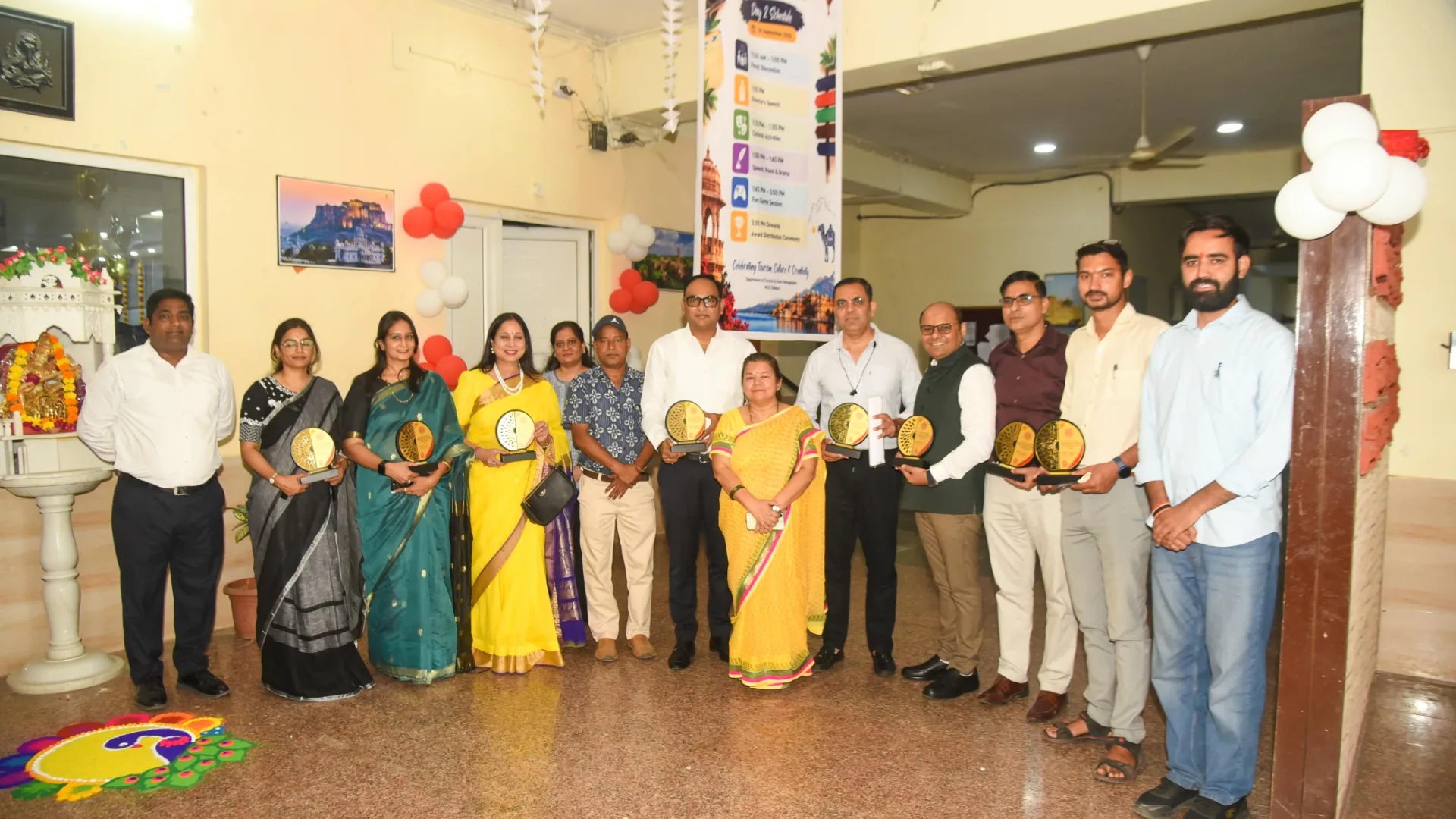
Panel Discussion on “Medical Tourism in Udaipur: Possibilities and Challenges” Held on World Tourism Day
Udaipur: On the occasion of World Tourism Day, the Tourism and Hotel Management Programme of Mohanlal Sukhadi…
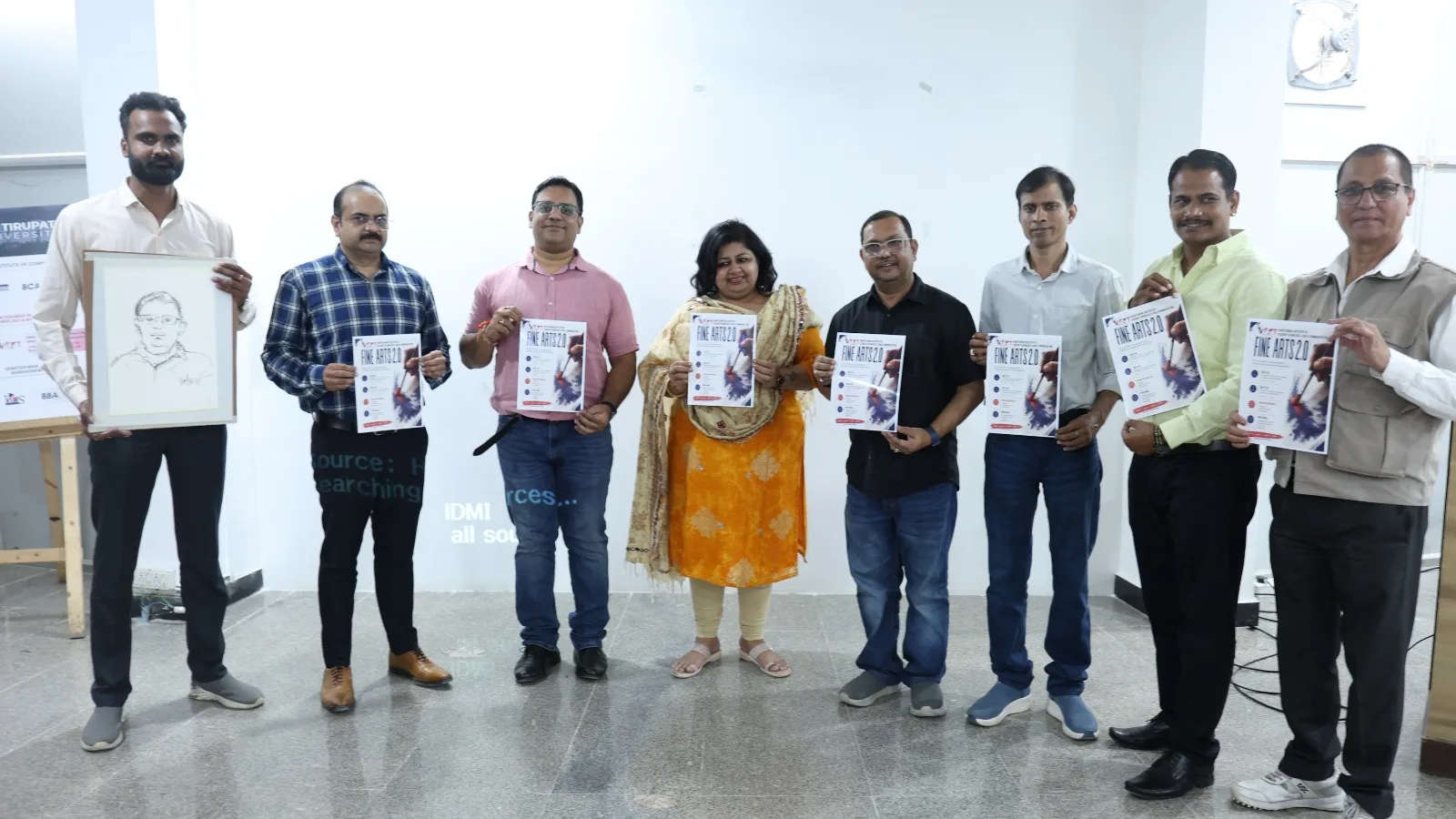
Seeing the World Through the Camera: Photography Workshop Organised at Pacific College
Udaipur: A photography workshop was organised at Pacific College, Chitrakoot Nagar, on Saturday by Pacific Co…
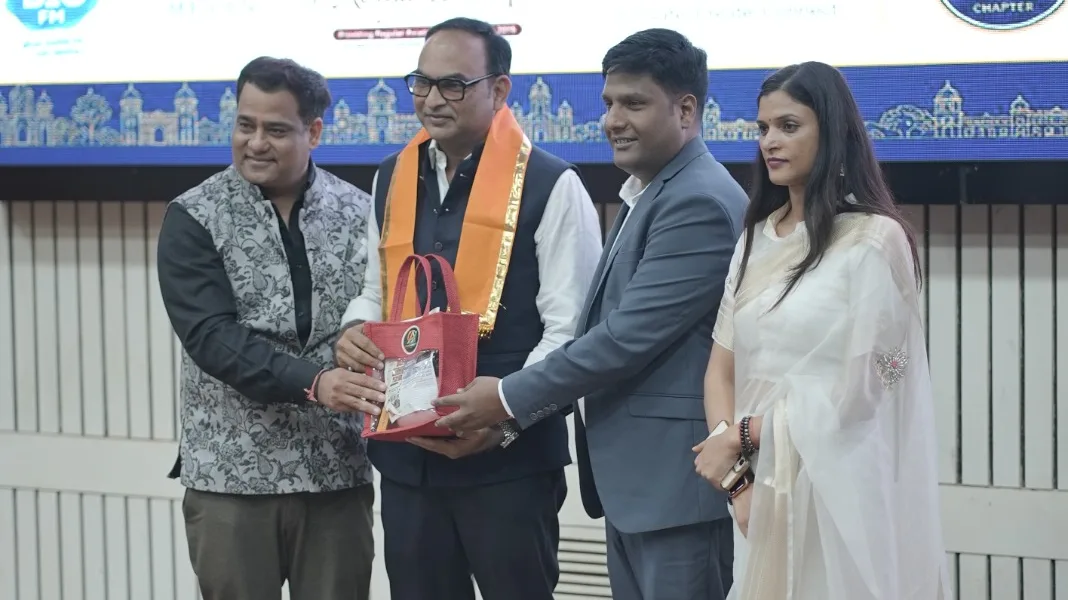
BCI Yuva Investor Connect 2026 Held in Rajasthan, Attracts Registrations from 350 Startups
Udaipur: BCI Yuva Investor Connect 2026 was organised at IIM Udaipur with the objective of strengthening the…