.png)
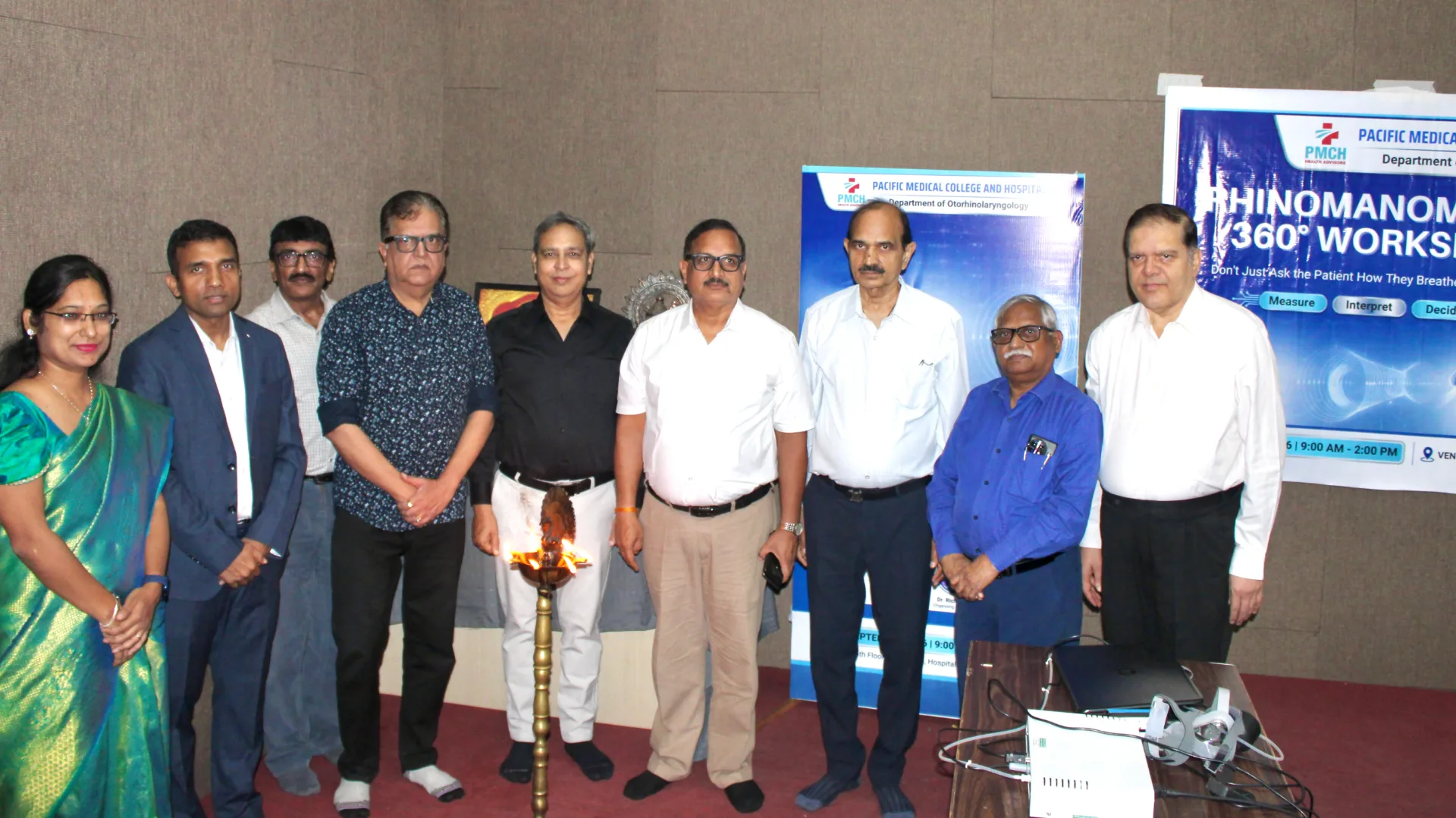
Udaipur, The Department of Ear, Nose and Throat (ENT) at Pacific Medical College and Hospital (PMCH), Bhilon Ka Bedla, organised a one-day workshop on Rhinomanometry, an advanced diagnostic technique that objectively measures nasal airflow and resistance.
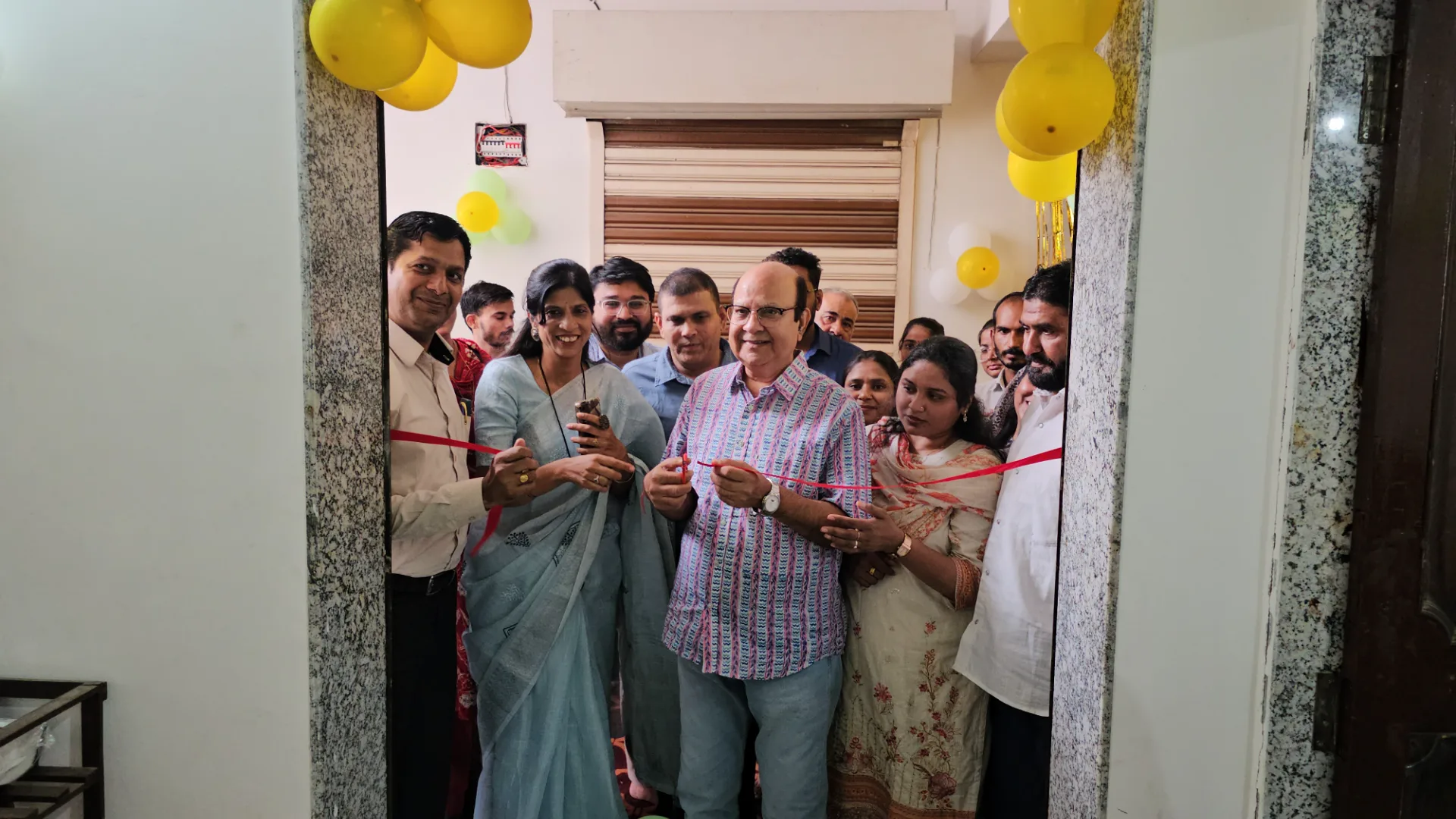
The workshop was inaugurated by renowned ENT specialists Dr. S.P. Dubey and Dr. Sanjay Agrawal from Bhopal, along with Dr. M.M. Mangal of Pacific Medical University, PMCH Principal Dr. U.S. Parihar, Dean Research Dr. R.K. Paliwal, Organising Chairperson Dr. Richa Gupta, and Organising Secretary Dr. S.S. Kaushik. The dignitaries formally inaugurated the workshop by lighting the ceremonial lamp.
According to Dr. Richa Gupta, Organising Chairperson, the workshop was the first of its kind in Rajasthan focused specifically on rhinomanometry. Doctors and delegates from several states participated in the programme and received insights into the latest diagnostic technology, its scientific principles and its clinical applications.
Renowned ENT specialists Dr. S.P. Dubey and Dr. Sanjay Agrawal served as the principal speakers and experts. They explained the working mechanism of rhinomanometry and discussed its role in objectively evaluating nasal airflow and resistance.
Dr. Dubey said that precise measurement of nasal airflow has become increasingly relevant in modern ENT practice, particularly when assessing patients with nasal breathing difficulties. Objective measurements can provide clinicians with additional evidence to understand the functional impact and severity of nasal obstruction.
Dr. S.S. Kaushik, ENT specialist at PMCH, explained that rhinomanometry can be particularly useful in the comprehensive assessment of patients suffering from chronic nasal obstruction or persistent difficulty in breathing through the nose.
He noted that while nasal endoscopy and CT scans provide valuable anatomical information, they may not always quantify the functional resistance to airflow. Rhinomanometry provides objective data on nasal airflow and resistance, which can assist ENT surgeons in evaluating the functional component of obstruction.
Such objective assessment can support more informed clinical decisions regarding whether surgical intervention is appropriate and, where surgery is required, help in selecting the most suitable procedure. It may also help avoid unnecessary surgical interventions in appropriately selected cases.
A key component of the workshop was the hands-on training session, conducted under the guidance of Dr. Richa Gupta and Dr. S.S. Kaushik. Participating doctors received practical training on advanced rhinomanometry equipment and were familiarised with the process of conducting the test, recording measurements and understanding the resulting data.
The workshop provided a platform for ENT professionals from different parts of the country to exchange knowledge and gain practical exposure to an advanced method of assessing nasal airway function.
The initiative is expected to strengthen clinical understanding of objective nasal airflow assessment and encourage the adoption of evidence-based diagnostic approaches in the management of patients with nasal obstruction. By bringing advanced technology and practical training together, PMCH has provided participating ENT professionals with an opportunity to enhance diagnostic precision and support more informed treatment decisions.