
.png)
Gopendra Nath BhattDemocracy is not merely a system of majority rule. Its true strength lies in a dialogue where both the ruling party and the opposition, understanding their respective responsibilities, engage in serious deliberation on issues of public interest. Dissent is not a weakness of democracy but rather its inherent strength. The need is for dissent to serve as a medium for meaningful dialogue rather than devolving into antagonism and confrontation, and for the House to transcend the role of a mere platform for political accusations and counter-accusations, becoming instead the supreme institutional forum for deliberating on the public good.Assembly Speaker Vasudev Devnani has taken a remarkable initiative to give a new direction to this democratic ethos within the Rajasthan Legislative Assembly. Through his efforts, a tradition of holding all-party meetings prior to every session has been established. Initiated along the lines of parliamentary practice, this move is now emerging as a vital component of the Rajasthan Assembly's parliamentary functioning. Speaker Devnani has convened six such all-party meetings so far; the meeting held on Tuesday—ahead of the sixth session of the 16th Assembly commencing on August 20—marks the seventh in this series. A notable feature of this meeting was the participation of representatives from both the ruling party and the opposition, who welcomed the initiative and acknowledged its utility in ensuring the smooth conduct of the House and fostering healthy parliamentary traditions. This initiative reinforces the idea that the responsibility for running the House rests not solely with the Speaker but is a collective obligation shared by every political party and every member.It is undeniable that the opposition in the Assembly possesses the full right to question the government and raise issues of public interest. Conversely, it is the government's duty to treat these questions seriously, provide answers, and strive towards solutions—though the opposition, too, must be prepared to listen to the government's responses with composure and patience. Speaker Devnani’s emphasis—that the opposition should raise public interest issues in accordance with the rules and the government should make every effort to resolve them—underscores the fundamental spirit of parliamentary democracy. Heated debates and political differences are inherent to democracy; however, amidst these, it is equally essential to uphold the decorum of the House, respect the Chair, and maintain the dignity of parliamentary language.It is also significant that Assembly Speaker Devnani has assured all members of adequate time during discussions. In a democracy, the mere right to speak is insufficient; having the opportunity to articulate one's views effectively is equally crucial. When the opposition receives ample opportunity and the government addresses issues of public interest, the scope for meaningful deliberation increases—replacing confrontation—and paves the way for better policies.In a parliamentary democracy, while the government and the opposition are undoubtedly political rivals, they are also fellow travelers in the broader pursuit of public interest. During the all-party meeting, Leader of the Opposition Tikaram Jully emphasized the need for the government to take matters raised in the House seriously and highlighted the shared responsibility of both the ruling and opposition sides in the smooth functioning of the House. Parliamentary Affairs Minister Jogaram Patel also described Speaker Vasudev Devnani’s initiative to convene the all-party meeting as a significant and meaningful effort. This mutual acceptance by the various parties—both ruling and opposition—marks the greatest success of this tradition.The Rajasthan Legislative Assembly is currently marking its 75th year—the *Amrit Mahotsav* period. On this occasion, Speaker Devnani’s initiative to bring together over 400 former and current MLAs—serving from 1952 to the present—on a single platform is noteworthy; it serves to connect the Assembly's parliamentary journey, spanning more than seven decades, with the current generation. This legacy is not merely a chronicle of buildings, elections, and governments, but the journey of public representatives who, at different times, voiced the concerns of the people of Rajasthan within the House. Vice President C.P. Radhakrishnan and Lok Sabha Speaker Om Birla have also commended this effort by Devnani. At a time when political disagreement often devolves into bitterness, the message emerging from all-party meetings holds special significance: while differences of opinion are natural in a democracy, deep-seated animosity is detrimental to democratic institutions. Debates in the House should be accompanied by dialogue; opposition should be expressed with decorum; and questioning the government must be balanced with the patience to listen to the answers. The seventh all-party meeting, held ahead of the Rajasthan Legislative Assembly's monsoon session commencing on Thursday, August 20, has fostered a positive atmosphere. The public desires solutions within the Assembly, not merely commotion. They want their elected representatives to raise their issues, the state government to respond to them, and the House to move towards finding solutions. Assembly Speaker Vasudev Devnani is also playing a proactive role in ensuring the government provides answers to pending questions.If this tradition of all-party dialogue is further strengthened as the Rajasthan Legislative Assembly marks its 75th anniversary, it could become a valuable parliamentary legacy for future generations. The beauty of democracy lies not merely in consensus, but in the ability to sit together and find a way forward despite disagreements. The success of the House is not measured by the number of sittings held or how often voices were raised, but by how many of those voices led to solutions for the public's problems.Therefore, one can hope that the upcoming monsoon session will be guided by dialogue and mutual consensus, and that the dignity maintained throughout will further enrich Rajasthan's parliamentary tradition.
India
Dialogue Will Ensure Smooth House Proceedings; Consensus Will Strengthen Democracy
Assembly Speaker Vasudev Devnani’s All-Party Initiative Becomes a New Parliamentary Tradition in Rajasthan

Related stories
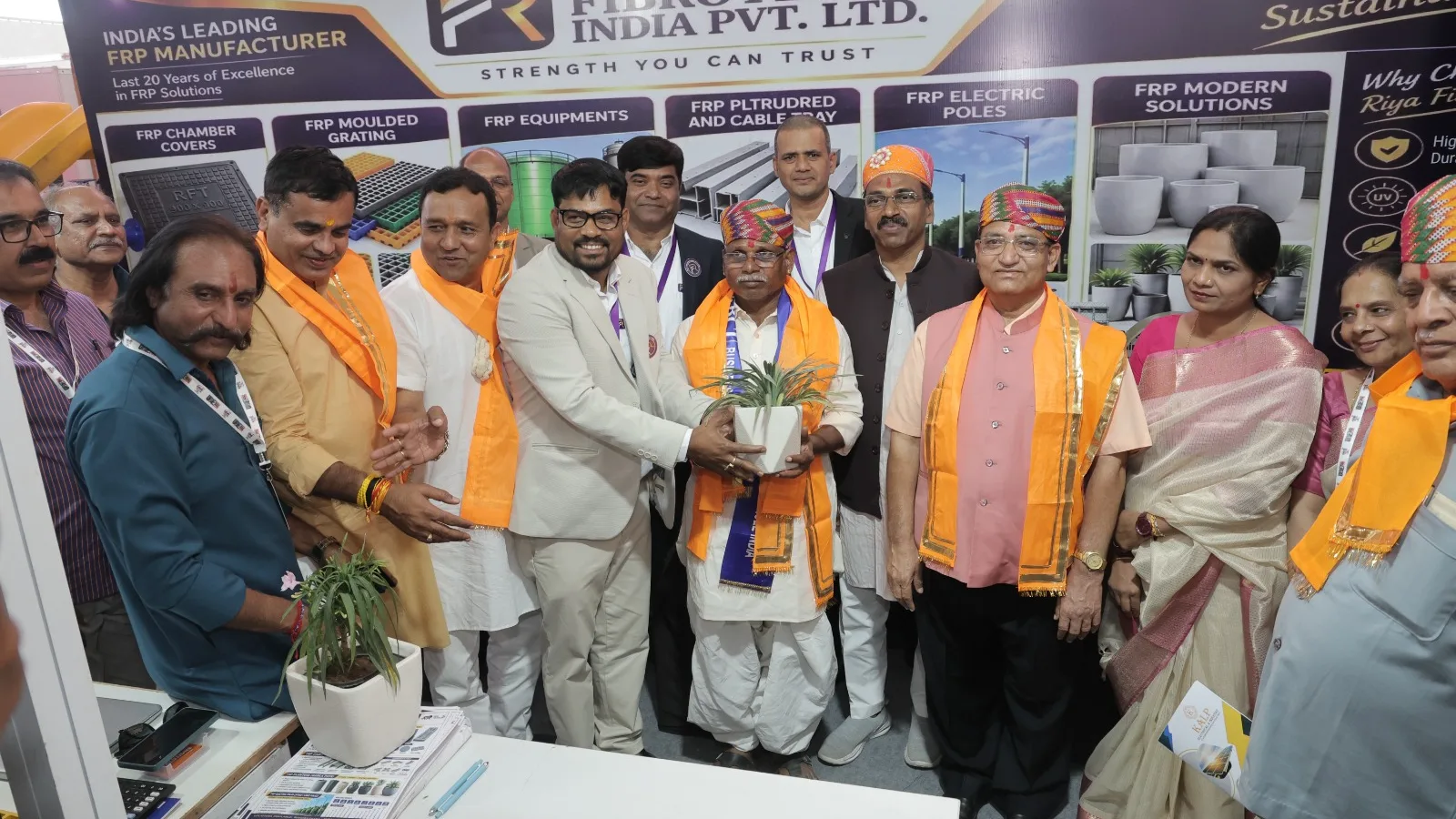
MP Swadeshi Industrial Expo Opens in Udaipur with Focus on Self-Reliance
Udaipur: Tribal Area Development Minister Babulal Kharadi called for greater emphasis on indigenous products…
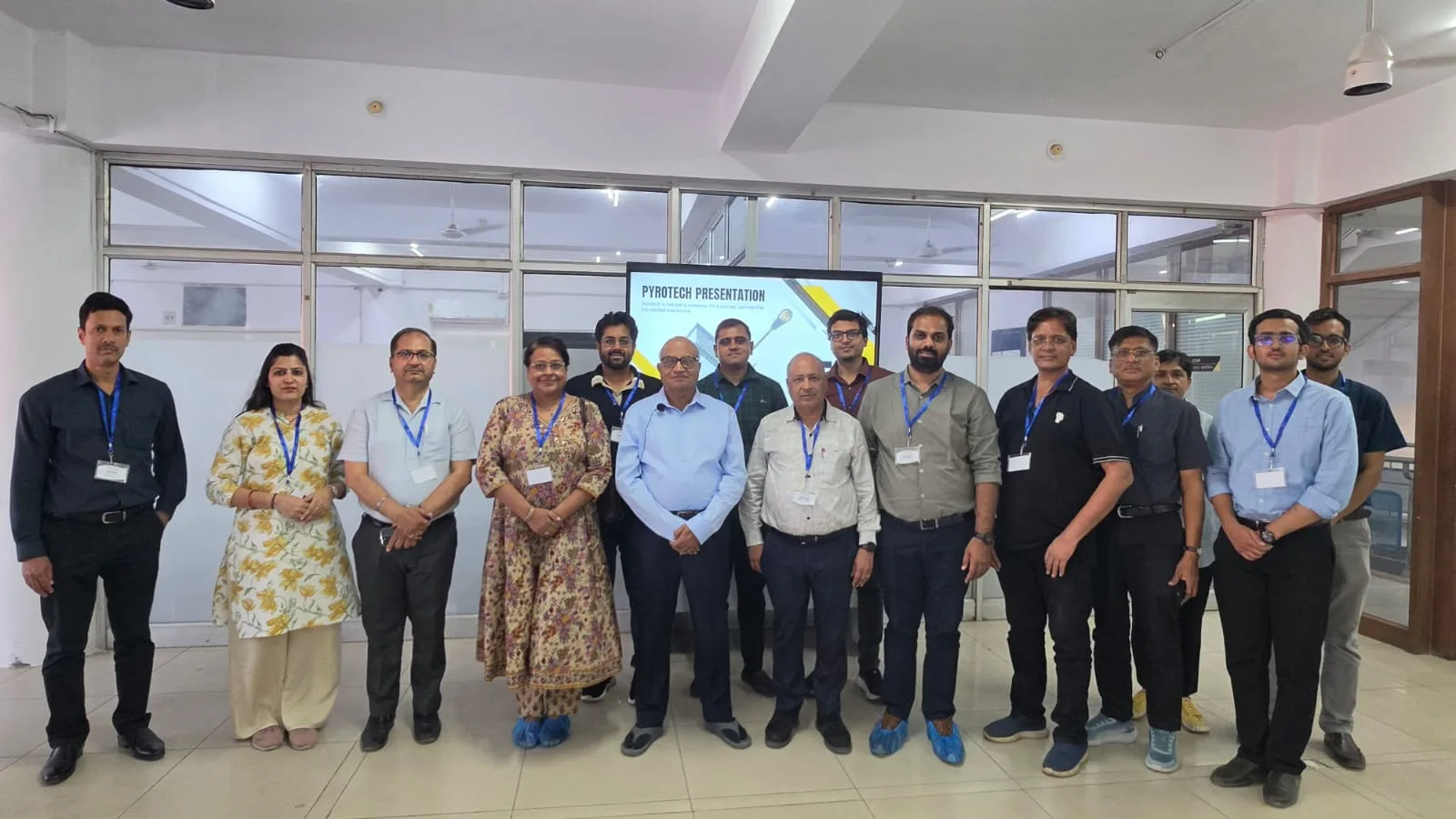
UCCI Members Visit Pyrotech Technologies Under ‘Aao Factory Dekhein’ Initiative
Udaipur: More than 30 entrepreneur members of the Udaipur Chamber of Commerce and Industry (UCCI) visited Pyr…

United States (U.S.) Broadens African Energy Push as Volz Brings Washington to African Energy Week (AEW) 2026
CAPE TOWN -- The United States is widening its engagement with Africa’s energy sector, combining governme…

How Liberia's Harper Basin Is Emerging as West Africa's Next Deepwater Frontier
CAPE TOWN -- Liberia’s Harper Basin is emerging as one of West Africa’s most compelling frontier explorat…